
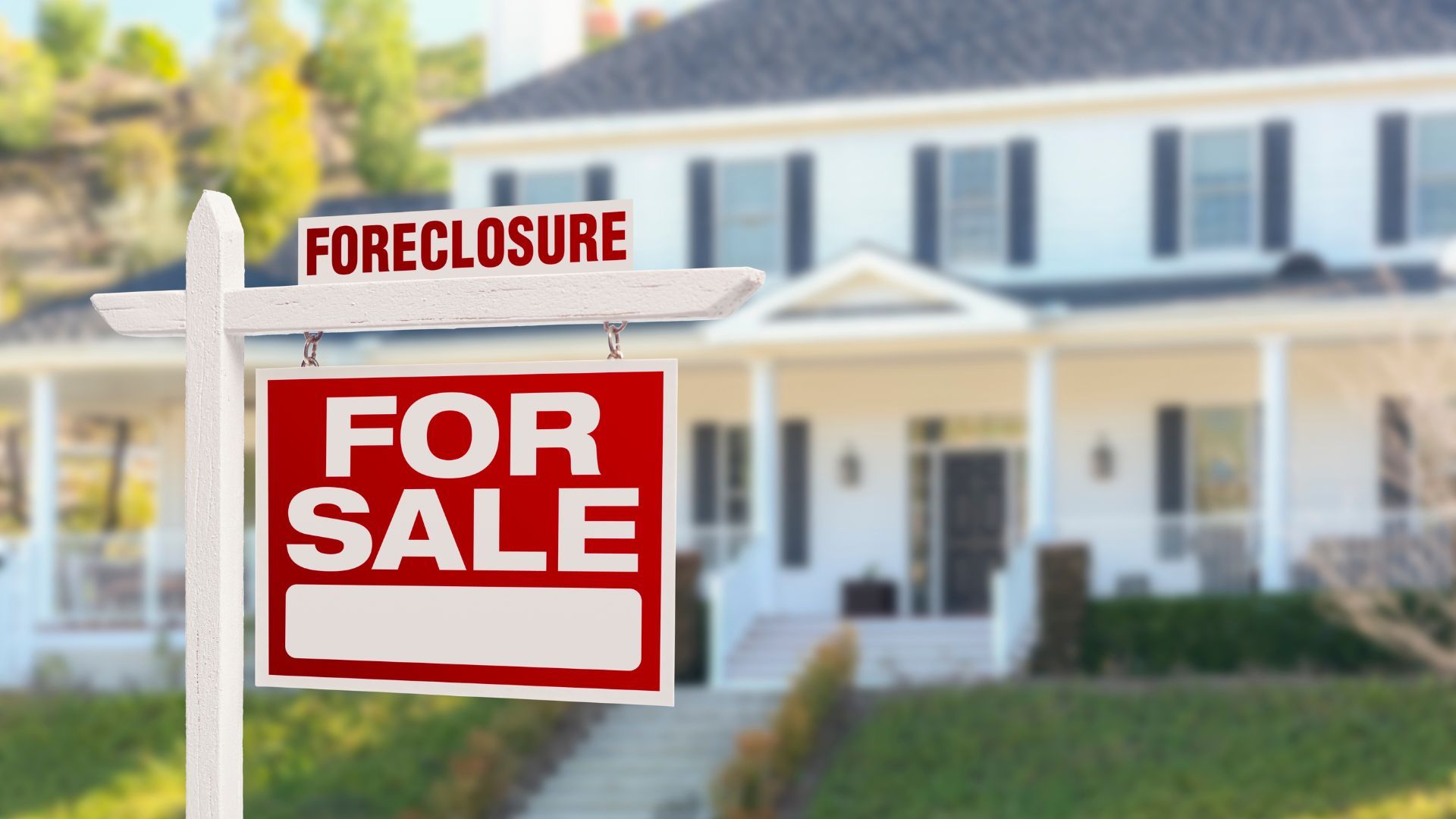

Can you sell a home that is in foreclosure? Yes, and it might be your smartest move to avoid losing everything.
Many homeowners don't realize they have options even after receiving a foreclosure notice. Selling your house before foreclosure gives you control over the outcome and protects your credit score. It helps you walk away with equity instead of nothing. The key is acting fast since you can sell a house in foreclosure only before the auction date.
We'll show you when and how to sell your house to avoid foreclosure, step by step.
Can You Sell a House in Foreclosure? (Yes, Here's When)
You retain ownership rights to your property until the foreclosure auction concludes. This means you can sell your house to avoid foreclosure at any point before the gavel drops, although your window of chance narrows as the process advances.
Selling Before the Foreclosure Process Starts
Missing mortgage payments doesn't trigger foreclosure right away. Lenders wait 90 to 120 days of non-payment before they initiate legal proceedings. You can sell your house during this period while foreclosure proceedings haven't yet begun. You have complete control over the sale price, timing and buyer selection. No court involvement exists, and you negotiate with buyers just like any standard home sale. This stage gives you the most flexibility because you're not racing against legal deadlines or auction dates.
Selling After Receiving a Foreclosure Notice
You can still sell house in foreclosure once you receive a formal foreclosure notice, but time becomes your enemy. The notice has a specific auction date, which creates your hard deadline. You have 30 to 120 days between receiving the notice and the auction depending on your state's laws. You maintain full ownership rights during this period, and the lender cannot stop you from selling. The catch: you must close the sale before the scheduled auction. Any buyer needs to understand they're purchasing under time pressure, which can affect your negotiating power. Cash buyers often prefer these situations since they can close faster than traditional financed buyers.
Your Legal Rights as the Property Owner
State law protects your right to sell house foreclosure up until the auction. The lender cannot force you to accept their timeline if you find a buyer willing to pay off your debt. You can list your property, accept offers and close sales without lender permission. You must satisfy the total amount owed, which has the principal balance, missed payments, interest and legal costs the lender incurred. The lender must accept the payoff and release the foreclosure action if your sale price covers these amounts. You keep any remaining proceeds after paying off the debt and closing costs.
Foreclosure Timeline: How Much Time You Have to Sell
Knowing the foreclosure timeline helps you identify when can you sell a home that is in foreclosure most effectively. Each stage presents different challenges and opportunities for selling your property.
Pre-Foreclosure Stage: Your Best Window to Sell
This stage begins when you miss your first payment and extends until the lender files official foreclosure paperwork. You have maximum flexibility here because no legal proceedings exist yet. Buyers view your property as a standard sale rather than a distressed situation, which means you can negotiate better prices. You control the marketing timeline and can wait for competitive offers. Most homeowners who sell house foreclosure do so during this phase because they have time to prepare the property, find qualified buyers, and complete a traditional closing process. Your credit takes less damage compared to a completed foreclosure, and you preserve knowing how to purchase another home sooner.
Active Foreclosure: Time to Act Fast
Once foreclosure proceedings start, you enter a race against the auction date. Can you sell house in foreclosure during this stage? Yes, but your options narrow. Traditional buyers with conventional financing may hesitate because closing takes 30 to 45 days, and you might not have that much time. Then you need to focus on cash buyers or investors who can close within two weeks. Pricing becomes critical since you cannot afford to wait for multiple offers or negotiate extensively. You must factor in all accumulated costs like legal fees and back payments when setting your minimum acceptable price. Keep all documentation ready and respond to buyer inquiries right away.
30 Days Before Auction: Emergency Selling Mode
Can i sell my house while in foreclosure this close to auction? Yes, but you need an all-cash buyer ready to close within days. List your property at below-market value to attract immediate attention. Contact real estate investors who specialize in quick closings. Some investors can close in as little as seven days when needed. You have no room for repairs or improvements. Selling house before foreclosure at this stage means accepting whatever offer covers your debt, even if you walk away with nothing. But avoiding foreclosure protects your credit and eliminates the deficiency judgment risk.
Step-by-Step Guide to Sell House Foreclosure
You need a systematic approach when you sell a house in foreclosure. These five steps help guide you through the process and maximize your chances of closing before the auction date.
Step 1: Calculate Your Total Debt and Payoff Amount
Contact your lender and request a payoff statement. This document lists your remaining principal balance, accumulated interest, late fees, legal costs and any other charges. Add these amounts together to determine your minimum sale price. Don't forget your real estate commission (5-6% of sale price) and closing costs (another 2-3%). If you owe $200,000 and have $15,000 in fees, you need to net at least $215,000 after paying commissions and costs. Get this payoff statement in writing, as verbal estimates often miss hidden fees.
Step 2: Get Your Home's Current Market Value
Order a professional appraisal or get a comparative market analysis from a real estate agent. Focus on properties that sold in your neighborhood within the past three months. Online estimates provide starting points but lack accuracy for pricing decisions this critical. Compare your home's condition against similar sales honestly. If comparable homes sold for $250,000 but yours needs $20,000 in repairs, adjust your expectations. Understanding whether you have equity or face a shortfall determines your selling strategy.
Step 3: Find an Experienced Foreclosure Real Estate Agent
Interview agents who handle pre-foreclosure sales. Ask how many foreclosure sales they've closed in the past year and request references from those clients. An experienced agent understands the urgency and knows how to market distressed properties without scaring buyers. They can negotiate with lenders when needed. They maintain relationships with cash buyers and investors who close quickly. Skip agents who promise unrealistic prices or timelines. You need someone who delivers results fast.
Step 4: Price Your Home to Sell Quickly
Set your price at or slightly below market value based on your appraisal. Can I sell my house while in foreclosure? Yes, but only if buyers see immediate value. Overpricing wastes precious time you don't have. Price aggressively from day one rather than testing higher prices first. Every week your home sits unsold brings you closer to auction. Accept that selling a house before foreclosure means you prioritize speed over maximum profit.
Step 5: Keep Your Lender Informed Throughout the Process
Notify your lender when you list the property. Provide updates when you receive offers and share your estimated closing date. Some lenders postpone auction dates when they see legitimate sale progress. Submit your purchase agreement and proof of buyer financing or cash reserves. Request a formal postponement in writing once you have a solid offer. Communication demonstrates good faith and may buy you additional time to close.
What to Do If You Owe More Than Your Home Is Worth
When you owe more than your property's value, you can still sell your house in foreclosure. Your approach changes entirely though. Short sales become your primary tool when traditional selling won't cover your debt.
Understanding Short Sales in Foreclosure
A short sale occurs when your lender agrees to accept less than the full amount owed on your mortgage. The bank permits you to sell the property and forgives the remaining balance instead of foreclosing. This arrangement benefits both parties. You avoid foreclosure damage to your credit while the lender recovers more money than they would through auction. Can you sell house in foreclosure through a short sale? Yes, and many lenders prefer this option since foreclosure costs them additional legal fees and property maintenance expenses.
Qualifying for a Short Sale
Lenders don't approve every short sale request. You must demonstrate financial hardship such as job loss, medical expenses, divorce, or income reduction. Your lender will require documentation that has tax returns, bank statements, pay stubs, and a hardship letter explaining your situation. You cannot have cash reserves or other assets the lender believes you could liquidate to pay the debt.
Short Sale Timeline and Process
Short sales take longer than standard transactions. They run 90 to 120 days from offer acceptance to closing. You submit your short sale package to the lender. This package has the buyer's offer, your financial documents, and comparative market analysis justifying the sale price. The lender reviews everything and decides whether to approve, counter, or deny the offer. So buyers need patience and flexibility during this waiting period.
Tax Implications of Forgiven Debt
Forgiven mortgage debt may count as taxable income. Your lender forgives $50,000, and you might owe income tax on that amount. But certain exemptions exist under the Mortgage Forgiveness Debt Relief Act provisions. Consult a tax professional before completing any short sale to understand your liability.
Alternative Options When Selling Won't Work in Time
Sometimes the foreclosure timeline moves too fast for any sale to close. You might not find a buyer willing to meet your debt obligations. Several alternatives exist that can help you avoid the full effect of foreclosure when these circumstances arise.
Deed in Lieu of Foreclosure
This option involves transferring your property title to the lender in exchange for forgiveness of your mortgage debt. The lender cancels the foreclosure proceedings and releases you from the loan obligation. You avoid the lengthy foreclosure process and the severe credit damage that comes with it. Banks prefer this arrangement since they acquire the property without legal costs or auction fees. But you must have no other liens on the property, and the lender must agree to accept the deed.
Loan Modification Programs
Your lender may restructure your existing loan terms to make payments more affordable. Modifications can reduce your interest rate, extend the loan term, or add missed payments to the loan balance. You keep your home and avoid foreclosure, provided that you can afford the new payment structure. Contact your lender's loss mitigation department and submit a complete financial package. This package should demonstrate your hardship and your capacity to make modified payments.
Cash-for-Keys Agreements
Lenders offer homeowners money to vacate the property and leave it in good condition. You receive cash (around $1,000 to $5,000) in exchange for moving out by a specific date and handing over the keys. This arrangement saves the lender eviction costs and property damage risks. You get moving money and additional time to relocate without the sheriff forcing you out.
Filing for Bankruptcy as a Last Resort
Chapter 13 bankruptcy triggers an automatic stay that halts foreclosure proceedings. You can restructure your debts and catch up on missed mortgage payments over three to five years while keeping your home. Chapter 7 bankruptcy doesn't save your house but delays foreclosure and gives you extra months to find housing alternatives.
When Is It Too Late to Sell a House in Foreclosure?
The auction gavel marks your final moment to act. The auctioneer completes the sale and a winning bidder pays for your property. You lose all ownership rights at that moment. Can you sell a home that is in foreclosure after this point? No, because you no longer own the home.
The exact moment your selling window closes varies by state. Judicial foreclosure states require court confirmation of the auction sale, which gives you a few additional days. Non-judicial foreclosure states transfer ownership when the auction ends. The sale finalizes and the property belongs to someone else.
You become a tenant in a home you once owned. The new owner can begin eviction proceedings against you. You cannot negotiate or find a buyer. Your chance to sell house in foreclosure has passed.
Waiting until the last possible day creates risk you don't need. Court delays happen, but you cannot count on them. Buyers fall through and financing fails. Selling house before foreclosure requires building in buffer time.
Can i sell my house while in foreclosure the day before auction? Yes, but only if you already have a cash buyer ready to close. Any other scenario leaves you vulnerable to missing the deadline and losing everything.
What Happens If You Don’t Sell in Time?
Missing the foreclosure deadline triggers severe financial consequences that extend way beyond losing your property. Your credit score drops 200 to 400 points right away, and the foreclosure remains on your credit report for seven years. Getting new credit becomes difficult during this period, and interest rates on any approved loans increase.
Losing the house doesn't eliminate your debt obligation. Your lender can pursue a deficiency judgment against you for the difference if the auction sale price falls short of what you owed. A property that sells for $180,000 at auction leaves you liable for $70,000 plus legal fees when you owed $250,000. Lenders can garnish your wages, freeze bank accounts, or place liens on other assets to collect this debt.
Foreclosure becomes public record and remains visible to future landlords, employers, and creditors. Renting an apartment becomes challenging then since many landlords reject applicants with foreclosures. Mortgage lenders require seven years before they'll think about giving you another home loan, though some programs accept applicants after three years with large down payments.
Eviction proceedings begin shortly after the auction. You receive a notice to vacate that gives you 30 days or less to move out. The sheriff enforces eviction if you refuse to leave, and your belongings get removed and placed on the curb. Selling house before foreclosure is no longer possible at this point, and your options have run out.
Conclusion
You now have everything you need to sell house foreclosure and protect your financial future. You can sell your property at any point before the auction date, but time matters most.
Calculate your payoff amount first. Get a market valuation and find an experienced agent who understands urgency. The sooner you act, the more options you have. Your outcome will be better.
Explore your choices now. Wait until the final weeks and you'll regret it. You can walk away from this situation with your credit intact and potentially some equity in your pocket if you have the right strategy and take action fast.
Key Takeaways
Here are the essential insights every homeowner facing foreclosure needs to know to protect their financial future:
• You can sell your home until the auction gavel drops - Homeowners retain full ownership rights and selling ability throughout the entire foreclosure process until the auction concludes.
• Act within the first 90-120 days for maximum control - The pre-foreclosure stage offers the best pricing power and buyer selection before legal deadlines create pressure.
• Calculate total debt including all fees before pricing - Your minimum sale price must cover principal, missed payments, interest, late fees, legal costs, plus real estate commissions and closing costs.
• Focus on cash buyers when time is short - Traditional financing takes 30-45 days to close, but cash buyers can complete purchases in 7-14 days when facing tight auction deadlines.
• Short sales remain viable when underwater - Even if you owe more than your home's value, lenders often accept less than full payment to avoid foreclosure costs.
• Missing the auction deadline eliminates all options - Once the foreclosure auction completes, you lose ownership rights permanently and face potential deficiency judgments for remaining debt.
The key to success lies in immediate action and realistic pricing. Every day you delay reduces your options and negotiating power, so start the selling process as soon as you recognize you cannot catch up on payments.
FAQs
Q1. Can I still sell my house after receiving a foreclosure notice? Yes, you can sell your house after receiving a foreclosure notice. You maintain full ownership rights until the auction is completed, which means you can list, negotiate, and close on a sale at any point before the auction date. However, time becomes critical, and you'll need to work quickly to find a buyer who can close before your scheduled auction deadline.
Q2. How long do I have to sell my home once the foreclosure process starts? The timeline varies by state, but typically you have 30 to 120 days from receiving the formal foreclosure notice until the auction date. Your best opportunity to sell is during the pre-foreclosure stage (the first 90-120 days of missed payments before legal proceedings begin), when you have maximum flexibility and control over pricing and buyer selection.
Q3. What happens if I owe more on my mortgage than my house is worth? If you're underwater on your mortgage, you can pursue a short sale, where your lender agrees to accept less than the full amount owed. You'll need to demonstrate financial hardship and provide extensive documentation. The lender forgives the remaining balance, helping you avoid foreclosure while the bank recovers more money than they would through auction.
Q4. Is it possible to sell my house the week before the foreclosure auction? While technically possible, selling within days of the auction is extremely risky and requires an all-cash buyer who can close immediately. At this stage, you'll need to price below market value and accept whatever offer covers your debt. Most successful sales happen much earlier in the process when there's adequate time for proper closing procedures.
Q5. What are my options if I can't sell my house before the foreclosure deadline? If selling isn't possible in time, you have several alternatives: a deed in lieu of foreclosure (voluntarily transferring the property to the lender), loan modification programs to restructure your payments, cash-for-keys agreements where the lender pays you to vacate, or filing for bankruptcy to halt proceedings and potentially restructure your debts.