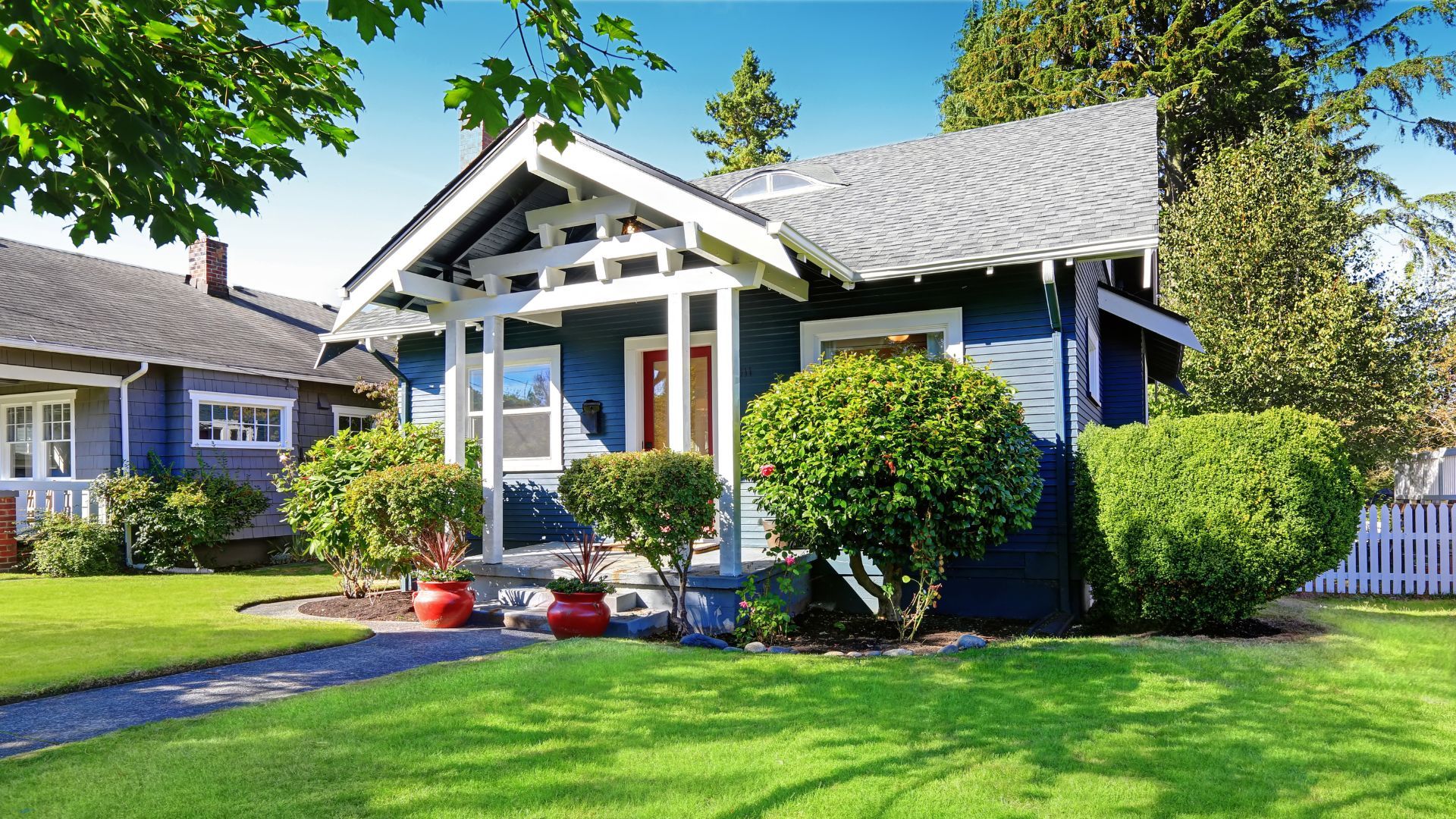

Painting delivers measurable returns without the complexity of structural modifications. Interior painting increases home value by an average of 5%, while exterior painting can boost value by 2-5%. Fresh paint ranks among the best ROI home improvements available, especially when you have it scheduled 2-4 weeks before listing to ensure the home is ready for photos and showings.
What This Upgrade Costs
Interior painting costs $1,500 to $5,000 for most homes. The average project runs $2,500. Professional painters charge $2 to $6 per square foot, depending on whether you include trim and ceilings. A 2,000 square foot home costs $4,000 to $12,000 for complete interior painting.
Exterior painting runs $1,500 to $4,000 for smaller homes, with costs increasing based on square footage and stories. Two-story homes add up to 50% more in labor costs due to support and ladder requirements. Professional exterior work ranges from $1.50 to $4 per square foot. Labor represents 70-90% of total project costs at $25 to $100 per hour.
Expected Return on Investment
Interior painting delivers around 107% ROI. You recoup your entire investment plus additional value. To name just one example, a $400,000 home could gain $20,000 in value from interior painting alone. Exterior painting produces 152% return on investment according to some real estate technology companies and adds an average of $7,571 to home value.
Homes can see a 2-5% increase in resale value from fresh paint. Even conservative estimates show exterior painting offering 51-55% ROI. This makes it sound whatever the market conditions.
Best Neutral Colors for Resale
Warm whites with subtle undertones replace stark pure white in 2026. Swiss Coffee, White Dove, and Alabaster create warmth without yellow tones. Greige options like Agreeable Gray and Repose Gray work with any décor style.
Avoid cool blue-toned grays that feel dated to buyers. Light gray rooms appear sterile and often require repainting, which reduces buyer appeal. Skip bold colors like yellows, reds, and purples that make rooms seem smaller and darker.
Interior vs Exterior Painting Priorities
Exterior painting improves first impressions and listing photos. It creates stronger curb appeal and reduces visible wear that signals neglect. Interior painting often delivers higher ROI and helps buyers foresee the space as their own.
If you can only choose one, interior painting offers better returns. But the most effective approach combines both. This creates consistency from curb to close while maximizing the overall improvements that increase home value.
Upgrade to Energy-Efficient Systems
Energy-efficient upgrades appeal to buyers concerned about rising utility costs and environmental effects. These improvements increase home value and operate behind the scenes but create measurable financial benefits that sellers can calculate during negotiations.
HVAC Replacement ROI
Modern HVAC systems increase property value by 3-5% according to U.S. Department of Energy research. A $300,000 home could gain $9,000 to $15,000 in value from a new system. Energy-efficient equipment with higher SEER2 ratings reduces cooling costs by 10-30% and cuts monthly utility bills right away.
High-efficiency systems consume less electricity while maintaining comfortable temperatures. Upgrading from SEER 10 to SEER 16 trims cooling energy use by about 30% and offsets higher upfront investment over the system's lifespan. Federal tax incentives for qualifying heat pumps improve returns by offsetting installation costs.
New HVAC systems require fewer repairs during their first decade. This reduces maintenance expenses that concern buyers evaluating long-term ownership costs. The reliability factor strengthens your negotiating position when buyers request inspection credits.
Window Replacement Benefits
Windows account for 25-30% of residential heating and cooling energy loss. Replacement with energy-efficient models can boost home value with up to 80% ROI and makes them among the best return on investment home improvements for sellers in temperate climates.
Low-emissivity coatings reduce energy loss by 30-50%. Double or triple-pane designs with argon gas fills create insulating barriers that minimize heat transfer. PVC windows deliver about 74% ROI, while sash windows return 65-75% of costs at resale.
Energy Star-rated windows decrease energy bills by up to 13%. Buyers now prioritize these features and view them as indicators of reduced operating costs and proper home maintenance.
Smart Thermostat Installation
Professional smart thermostat installation costs $200 to $500 including device and labor. These systems reduce heating and cooling bills by 8-15% and could save homeowners $50 to $250 each year. The typical payback period runs 8-12 months. Your investment returns quickly even if you sell within a year.
Simple models start at $70, while premium options with learning capabilities cost $269. Mid-range thermostats ($150-$300) balance features and price for resale appeal.
Attic Insulation Improvements
Attic insulation upgrades deliver ROI that exceeds 100% when accounting for energy savings and increased property value. Homeowners save $200 to $600 each year on heating and cooling costs. Federal tax credits under residential energy programs reduce upfront costs and improve returns.
Proper insulation maintains efficiency for decades and extends savings way beyond the original investment period. Buyers recognize well-insulated homes as move-in ready properties that require minimal upgrades right away.
Add Outdoor Living Space with a Deck or Patio
Outdoor living spaces rank among the most desired features for buyers viewing homes in 2026. Decks and patios extend usable square footage and create dedicated zones for entertaining and relaxation that influence purchase decisions by a lot.
What This Upgrade Costs
Deck construction in 2026 ranges from $25 to $50+ per square foot installed, including materials and labor. A standard 12×16 deck (192 square feet) costs around $5,000 to $10,000+ depending on material selection. Pressure-treated wood runs $15 to $25 per square foot, while composite decking costs $30 to $60+ per square foot installed. Premium materials can reach $70+ per square foot.
Professional labor adds $18 to $30+ per square foot to project costs. Patio installations vary based on materials. Concrete offers the most budget-friendly option and natural stone commands premium pricing.
Expected Return on Investment
Wood decks deliver 65-75% ROI on average, with some reports showing recovery up to 89% of installation costs. Patios often outperform decks and recoup up to 95% of investment. New patio construction can exceed 100% ROI. Refinishing existing patios gets returns approaching 500% due to lower investment requirements.
Composite decks provide lower percentage returns than wood but deliver stronger long-term value through reduced maintenance expenses.
Wood vs Composite Material Choices
Pressure-treated wood costs less at $2.50 to $4.50 per square foot for materials. Composite decking runs $4.60 to $13.60 per square foot but requires minimal upkeep. Wood decks need annual maintenance costing up to $400 for stains and sealants. Composite maintenance runs around $10 annually.
Composite warranties extend 25 to 50 years compared to wood's 15-year average lifespan. Heat retention remains composite's biggest problem, especially when you have darker colors.
Design Features That Attract Buyers
Outdoor kitchens deliver 100% to 200% ROI in premium markets. Built-in seating and quality lighting create functional outdoor rooms that buyers value. Homes featuring outdoor TVs command 3.1% higher prices and add roughly $10,749 to typical U.S. home values.
Key Takeaways for Sellers
Best ROI: Garage door replacement (194%) and steel entry doors (100-188%) deliver the strongest returns with minimal investment.
Budget-Friendly Options: Fresh paint and smart thermostats offer value increases under $5,000.
Avoid Over-Improving: Minor kitchen remodels (113% ROI) outperform major renovations (30.6% ROI).
Quick Wins: Entry doors install in one day and painting completes in 2-4 weeks; both ready homes for listing.
Long-Term Value: Energy-efficient upgrades and composite decks reduce the buyer's maintenance concerns while lowering operating costs.
Conclusion
Targeted improvements beat expensive overhauls every time. Garage doors and steel entry doors deliver the strongest returns, while minor kitchen updates outperform gut renovations by over 80%.
Not every project on this list makes sense for your property. Your neighborhood, timeline and budget determine which upgrades deliver maximum value.
Curb appeal projects like garage doors and fresh paint should come first. These complete fast and photograph well for listings. Address kitchens and bathrooms next if your budget allows.
Returns vary from one improvement to another, so focus your investment where buyers notice first. You'll recoup more money and sell faster than neighbors who overspend on premium upgrades.