


How to Sell Your House Without a Realtor (And Avoid the Traditional 5–6% Commission)
Selling your house without a realtor can work — but it’s no longer as simple as skipping an agent and listing your home on your own. Homeowners across the United States are increasingly looking for ways to avoid the traditional 5–6% commission while still getting professional exposure, strong offers, and a smooth selling process.
While many guides focus only on For Sale By Owner (FSBO), modern technology has created new alternatives. Today, sellers can choose between FSBO, flat-fee MLS services, discount brokers, and AI-powered home selling platforms that combine automation with MLS exposure.
This guide explains how to sell your house without a realtor, compares today’s available options, and shows how homeowners can reduce fees without taking on unnecessary risk or responsibility.
Selling your house without a realtor can offer real advantages — especially when it comes to cost and control. You decide on pricing, marketing, showing times, and negotiations, without relying on a middle person. For some homeowners, this level of involvement feels empowering and efficient.
Here are key reasons to consider selling without a realtor:
- Save on traditional commission fees
- Maintain direct control over pricing and timing
- Communicate directly with buyers
- Customize your selling strategy
These benefits could make selling your house on your own a worthwhile endeavor. Yet, it's essential to weigh these against the challenges. If you're prepared to handle the workload, the rewards can be substantial.
 Selling your home without a realtor can help you save thousands in commission.
Understanding the 6% Commission and How Much You Can Save
Realtor fees typically consist of a 5–6% commission on the home's sale price. This amount is split between the seller's and buyer's agents. It can significantly reduce your overall profit.
Consider a house selling for $300,000. The commission could be up to $18,000. Avoiding this fee can increase your net proceeds — but only if pricing, negotiations, and timing are handled correctly. These savings could be used for future investments or a new home.
By selling independently, you take control of every aspect of the transaction — including risks traditionally managed by an agent. This removes the middle layer and its associated costs. Many find this approach financially appealing. Here's how much you might save:
- House sale price: $300,000
- Typical realtor commission: $18,000
- Potential savings with FSBO: $18,000
Choosing this route means more funds remain in your hands. However, be ready to manage the process carefully to maximize these financial benefits.
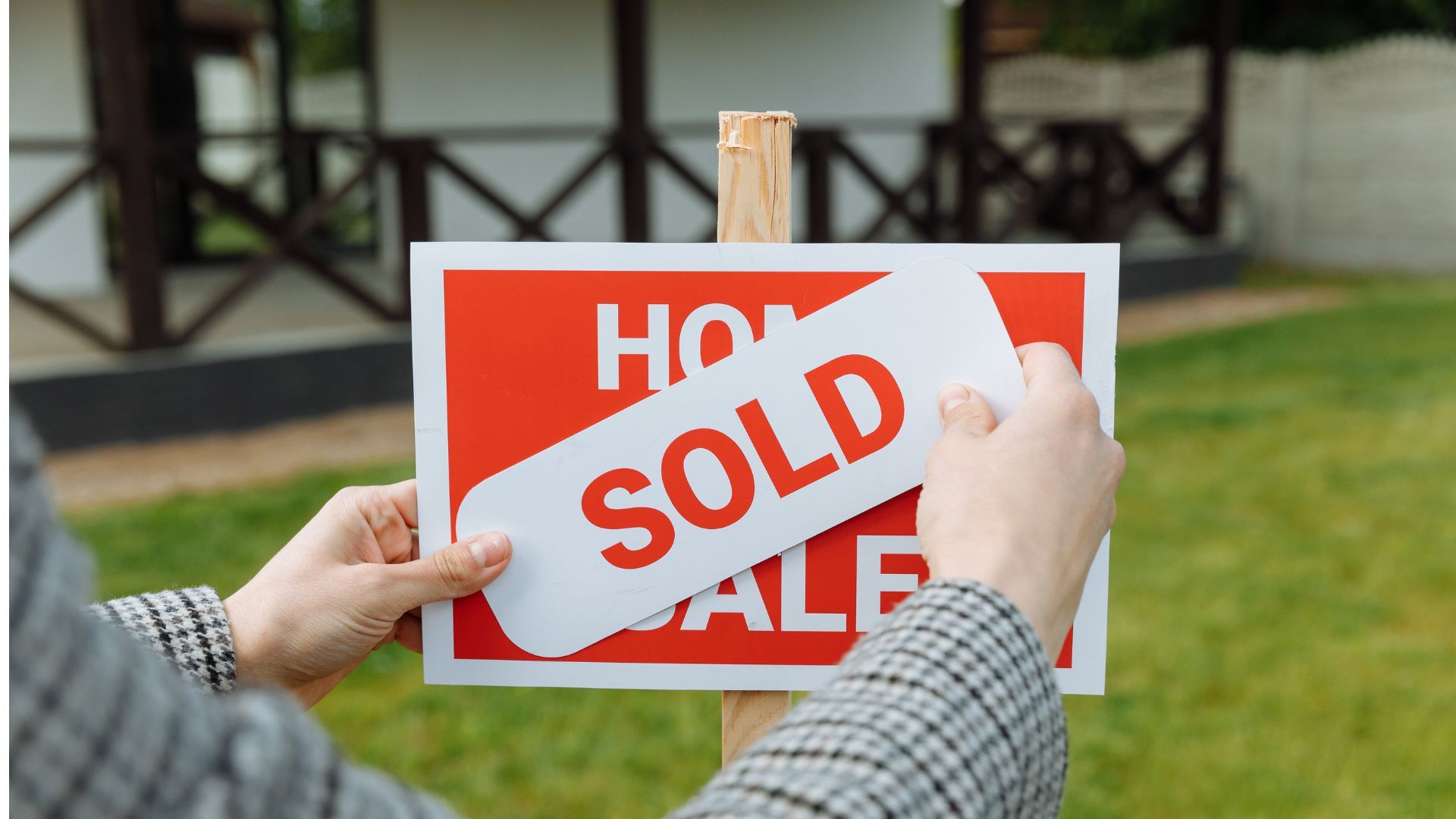 Prepare your Home for Sale
For Sale By Owner (FSBO): What Does It Mean?
"For Sale By Owner" or FSBO is a method where homeowners sell their own homes without hiring a realtor. This approach puts the control of the sale in the hands of the homeowner. It's about independence and avoiding commission fees.
This is where many sellers underestimate the time, expertise, and negotiation pressure involved. It allows you to manage the entire process, giving a personal touch to the transaction. However, it requires preparation and market knowledge.
Opting for FSBO can be rewarding if done correctly. Key responsibilities include:
- Setting the right price
- Marketing your home effectively
- Handling inquiries and showings
Many choose FSBO for the autonomy it offers. It's crucial to be informed and ready to navigate the complexities involved.
For homeowners who want MLS exposure, data-driven pricing, and structured offer management — without managing the entire process alone — these platforms have become a compelling middle ground between FSBO and traditional agents.
Step 1: Prepare Your Home for Sale
Preparing your home is crucial for a successful sale. First impressions are vital. Begin by cleaning every room thoroughly. A spotless home creates an inviting atmosphere.
Next, declutter your living spaces. Remove personal items and excessive furniture. This allows buyers to envision their own belongings in the home. A minimalistic approach works wonders.
Consider freshening up your home's appearance with a new coat of paint. Choose neutral colors that appeal to a broad range of buyers. Neutral tones help buyers focus on the home’s features instead of bold color choices.
Repairs should not be overlooked. Fix any issues that may deter potential buyers, such as leaky faucets or cracked tiles. A well-maintained home signals a worthy investment.
Home staging can also be beneficial. Arrange furniture to highlight the best features of each room. You might even hire a professional stager to enhance your home's appeal.
Homes that present as clean, neutral, and well-maintained consistently attract stronger offers and sell with fewer concessions. Preparation isn’t about perfection — it’s about removing friction for buyers.
Step 2: Set the Right Price for Your Home
Pricing your home correctly is critical. A competitive price attracts more potential buyers. Start by researching comparable homes in your neighborhood. Look at recent sales to gauge the market trend.
Consider using online valuation tools for a quick estimate. These tools analyze local market data to suggest a price range. However, they should not be your sole resource, as they lack personal insights.
For a more precise valuation, consult a professional appraiser. An appraisal provides a detailed report on your home’s value. This investment can prevent overpricing or underpricing, both costly mistakes.
Also, take into account your timeline for selling. If you need to sell quickly, you might need to price it slightly lower. Flexibility on pricing can make a significant difference in buyer interest.
- Research comparable homes
- Use online valuation tools
- Get a professional appraisal
- Consider your timeline
 Set the Right Price for Your Home
Step 3: Market and List Your Home Effectively
Effective marketing can make a significant impact on your home sale. First, invest in high-quality photos to showcase your home. Good images create a strong first impression online and attract more interest.
Next, craft a compelling listing description. Highlight the unique features of your property. Use descriptive language to paint a vivid picture for potential buyers. Mention nearby amenities like schools or parks.
Leverage online platforms to reach a larger audience. List your home on sites like Zillow and Redfin. These platforms provide exposure, but without professional pricing strategy, listing optimization, and buyer qualification, visibility alone doesn’t guarantee strong offers. Don't underestimate the power of social media. Share your listing on Facebook or Instagram for additional exposure.
Consider traditional marketing methods too. Placing "For Sale By Owner" (FSBO) signs in front of your house can attract local attention. Additionally, consider advertising in community newsletters or bulletin boards.
- High-quality photos
- Compelling listing description
- Utilize Zillow and Redfin
- Use social media
- FSBO signs and local ads
Step 4: Show Your Home to Potential Buyers
Once your home is listed, it's time to open its doors. Hosting open houses can draw in curious buyers. Make these events inviting and comfortable.
Private showings are more personal and can be effective. Allow serious buyers to explore at their own pace. Ensure the house is clean and clutter-free each time.
Flexibility with scheduling is key. Accommodating potential buyers’ timeframes can enhance interest. Respond promptly to showing requests. This attentiveness can make a significant difference in buyer perceptions.
- Host open houses
- Arrange private showings
- Be flexible with schedules
Step 5: Negotiate Offers and Handle Paperwork
Receiving an offer is an exciting moment in the home-selling process. However, it's also when negotiations begin. Each offer will likely require some give and take. Being flexible yet firm is essential.
Evaluate each offer critically. Consider not just the price but also contingencies and closing dates. Decide what's negotiable and where you can stand firm. It's crucial to prioritize your needs.
Handling paperwork is a vital step. Ensure all legal documents are in order to avoid delays. This includes the purchase agreement and necessary disclosures. Understanding the terms is vital to secure a smooth transaction.
A clear communication strategy is essential. Keep track of all offers and counteroffers. Document every step meticulously to prevent misunderstandings. This will also help resolve potential disputes.
- Evaluate offers thoroughly
- Prepare legal documents accurately
- Document every step for clarity
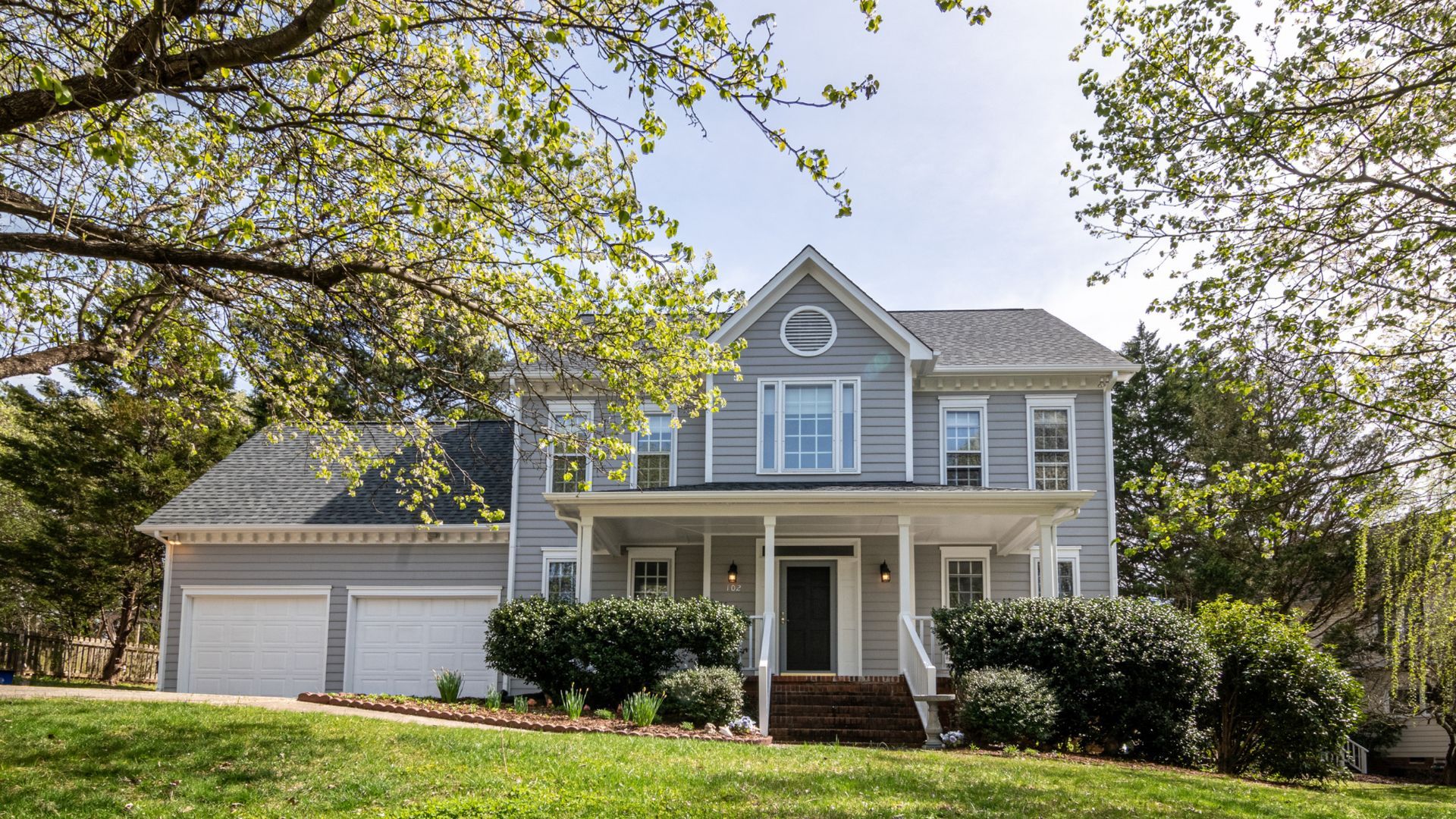 Market and list your home effectively without paying traditional realtor commissions.
Step 6: Closing the Sale Without a Realtor
Closing is the final and crucial phase of selling your house. Even without a realtor, you can manage it successfully. Organization and attention to detail are key in this stage.
Begin by coordinating with a title company or real estate attorney. They will handle the closing paperwork and ensure everything is legal. Their expertise can prevent costly mistakes.
Ensure all financial agreements are clear. Confirm the transfer of funds and check for outstanding property obligations. Both buyer and seller should agree on the closing timeline and payments.
Closing might seem daunting, but each task has a clear purpose. Maintaining open communication with the buyer and other parties involved is crucial. This ensures any issues are swiftly addressed and resolved.
- Work with a title company or attorney
- Confirm financial and legal details
- Maintain open communication
by Jakub Żerdzicki (https://unsplash.com/@jakubzerdzicki)
Legal Considerations and Required Disclosures
When selling your house without a realtor, understanding legal requirements is crucial. Each state has specific rules for property disclosures. It's important to know what you must reveal to the buyer.
Disclosures typically include information about property defects or past repairs. Being transparent avoids future legal disputes. Ensure your disclosures are complete and accurate.
Consult a real estate attorney to review documents. This ensures you're compliant with all local regulations. Non-disclosure can lead to complications, so caution and thoroughness are key.
- Understand state-specific disclosure requirements
- Be transparent about defects and repairs
- Consult an attorney to verify legal compliance
By adhering to these guidelines, you can navigate legal considerations confidently.
Should You Hire a Real Estate Attorney?
Hiring a real estate attorney can be beneficial when selling your house without a realtor. They can help with the legalities and ensure the transaction adheres to local laws. Their expertise can safeguard against potential issues.
An attorney's role includes reviewing contracts and handling negotiations. They also address any legal questions you might have. This professional guidance can prevent missteps that could lead to costly disputes.
- Review contracts and legal documents
- Provide legal advice specific to your situation
- Assist with negotiations and closing details
Consider the complexities of your sale to decide if hiring an attorney is right for you.
Pros and Cons of Selling Without a Realtor
Choosing to sell your house without a realtor comes with distinct advantages and challenges. Understanding these can help you make a well-informed decision. Here are some key points to consider.
Pros:
- Save on the traditional 5–6% commission
- More control over the sale process
- Potentially faster sale without waiting for an agent
However, selling independently also presents certain challenges. It requires time and effort to manage various aspects of the sale.
Cons:
- Lack of professional marketing resources
- Greater responsibility for legal paperwork
- Potential for undervaluing or overpricing the home
Weighing these pros and cons can guide your decision on whether this approach suits your needs. Many of these challenges can be reduced by using modern selling platforms that combine technology, MLS access, and optional human support.
Tips to Sell Your House Fast Without a Realtor
Selling your house swiftly without a realtor requires strategy and effort. Start by making your home as inviting as possible. This can entice buyers who are ready to act quickly.
Enhance your marketing approach with diverse tactics. Here are practical tips to consider:
- Use professional photos to attract online interest.
- List your home on major real estate websites.
- Highlight unique features in listings.
- Be flexible with showings to accommodate buyers' schedules.
- Respond promptly to inquiries to maintain interest.
By following these steps, you can increase your chances of a fast sale.
Common Mistakes to Avoid in FSBO Sales
Embarking on a FSBO sale can present unique hurdles. Avoiding common errors will ensure a smoother process and better results.
Some pitfalls to watch for include:
- Overpricing or underpricing your home.
- Neglecting professional photographs.
- Ignoring legal paperwork and disclosures.
- Lack of transparency during negotiations.
Being mindful of these mistakes can protect you from potential setbacks. With a prepared approach, success is within reach.
Frequently Asked Questions About FSBO and No-Realtor Sales
FSBO sales often raise questions among homeowners. Clarifying these common queries can ease the selling process.
Some frequently asked questions include:
- What is FSBO?
- How do I price my home competitively?
- What legal paperwork is needed?
- How can I market my property effectively?
By addressing these questions, homeowners can make informed decisions. This proactive approach ensures a more successful sale without a realtor.
Final Thoughts: Is Selling Without a Realtor Right for You?
Selling your house without a realtor no longer means choosing between paying a traditional 5–6% commission or doing everything yourself. Homeowners today have more flexible and transparent options that adapt to different markets and experience levels.
The key is choosing a solution that balances cost savings, exposure, and the right level of support — without paying for services you don’t actually need.
If you’re exploring alternatives, comparing your options and understanding the true cost of selling is the smartest first step.
Modern Alternatives to FSBO and Traditional Realtors
Selling without a realtor no longer means choosing between paying a traditional 5–6% commission or handling every step alone. In recent years, new technology-driven options have emerged that give homeowners more flexibility, lower costs, and professional exposure.
Flat-Fee MLS Listings
Flat-fee MLS services allow homeowners to list their property on the Multiple Listing Service for a fixed upfront cost. While this provides MLS exposure, sellers are typically responsible for pricing, negotiations, and paperwork.
Discount Brokers
Discount brokers offer reduced commission rates compared to traditional agents, but service levels can vary widely depending on the market and provider.
AI-Powered Home Selling Platforms
AI-powered platforms combine automation, data-driven pricing insights, and MLS exposure to help homeowners sell efficiently while significantly reducing commission costs. These solutions handle listing optimization, buyer matching, and offer management, offering a middle ground between FSBO and full-service agents.
Want to see how different selling options compare for your home?
Use our commission calculator or explore AI-powered listing options designed to help homeowners sell smarter.