

A recent study shows 40% of home sellers worry about repair costs before listing their property. The same study reveals 85% of sellers are anxious about getting lowball offers for their homes.
Selling a house as is by owner gives you a practical way out of the traditional selling process. You won't need to spend money on repairs and renovations. The trade-off comes with a lower selling price - somewhere between 75% to 95% of your home's after-repair value. The good news? You can close the deal much faster. California homeowners can even get cash for their property in two weeks or less.
Let's look at the numbers to see if selling a house as is makes sense financially. A Sacramento, CA home worth $510,000 would cost you $15,300 in realtor fees just to list on the MLS. Selling to investors as is could mean getting 30% to 50% less than your home's fair market value. You'll need to weigh these options carefully as a homeowner.
This piece will show you the steps to sell your house as is without a realtor. You'll learn what to expect, ways to attract serious buyers without making repairs, and tips to avoid costly mistakes that waste time and money.
What It Means to Sell a House As Is
Selling a house "as is" means you're putting your property on the market in its current condition. You won't make any improvements or repairs before closing. This straightforward approach helps you save money and time while still getting your house sold.
As-Is ≠ Cash Offer (And Why That Matters)
Many homeowners assume that selling a house as-is automatically means accepting a cash offer from an investor. In reality, these are two very different concepts.
Selling as-is simply means you’re not making repairs or upgrades before listing. It does not determine how you sell your home, who buys it, or how much you can earn.
A cash offer, on the other hand, is a specific type of transaction—usually from an investor—where speed and convenience are prioritized in exchange for a lower price. These offers often factor in renovation costs, holding risk, and resale margins, which is why they typically come in well below market value.
Today, homeowners have more than two choices. It’s possible to sell a home as-is while still:
- Listing publicly instead of selling off-market
- Reaching multiple buyers, not just investors
- Comparing outcomes before committing to one path
The key difference isn’t whether you sell as-is—it’s how much control and transparency you want in the process.
No repairs or upgrades before selling
Selling your house as is by owner sends a clear message to potential buyers - they get exactly what they see. You won't fix leaky faucets, repaint walls, or update outdated features. The home simply goes on the market in its current state. Many sellers choose this path because they want a quick and simple process. This option makes sense especially when you face time pressure or lack the budget for improvements.
Legal meaning of 'as is' in real estate
An "as is" clause in real estate contracts means buyers accept the property's current condition without warranties from the seller. However, you still have important responsibilities. The law requires you to disclose any known defects or problems with your property. State laws mandate that sellers inform buyers about structural issues, water damage, and pest problems. You could face legal consequences if you hide known issues, even after closing the sale.
Common misconceptions about as-is sales
Let's clear up some myths about as-is home sales:
- Myth 1: You'll only get lowball offers. The truth? Price your home right for its condition and you can still attract competitive offers.
- Myth 2: This option is just for desperate sellers. Actually, homeowners of all financial backgrounds choose this route for its simplicity.
- Myth 3: Property defects can stay hidden. Reality check - you must be transparent both legally and to build trust with buyers.
As-is home sales give you a practical way to sell without the hassle of renovations. This approach works well for sellers who want a straightforward transaction.
Steps to Sell a House As Is by Owner
Selling your house as is without a realtor might feel daunting. A smart strategy will guide you through this journey successfully. Here's what you need to know:
1. Decide if FSBO is right for you
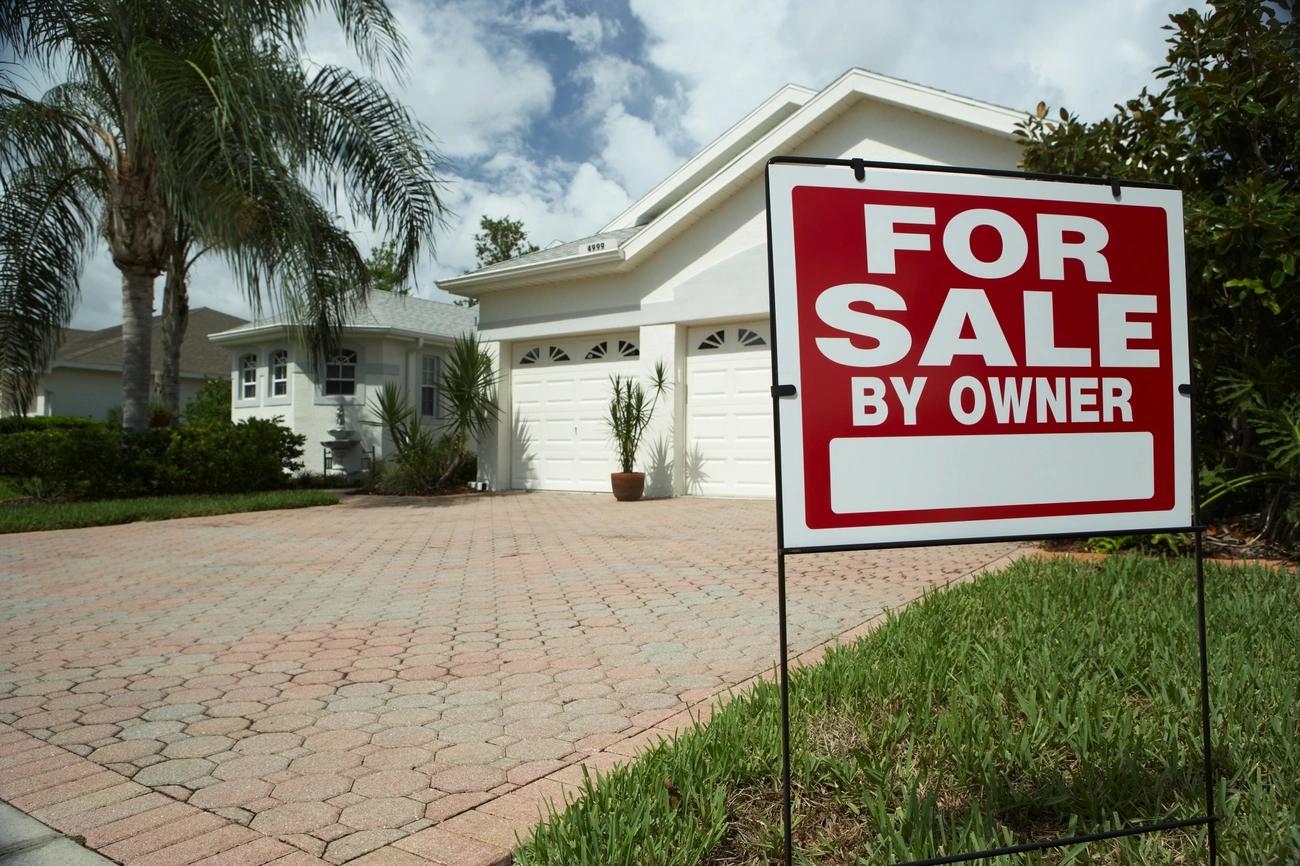
The For Sale By Owner (FSBO) approach saves you the standard 5-6% commission fees. You'll manage all paperwork, marketing, and negotiations yourself. Your comfort level with real estate law and time availability should determine if this path suits you.
2. Set a realistic asking price
Your home's current condition must reflect in your asking price. Local comparable properties deserve your attention, and a professional appraisal could help. Homes priced fairly attract more attention and generate quicker offers, even those needing work.
3. Order a pre-listing inspection
Pre-listing inspections cost between $281-$403 and are a great way to get clarity about your property. The inspection helps you:
- Learn about existing issues before buyers find them
- Price your property based on its real condition
- Market with confidence and transparency
4. Complete required disclosure forms
As-is sales still require you to disclose material defects that could affect your home's value. Foundation problems, roof leaks, and outdated wiring need documentation. Legal consequences can surface after closing if you hide known issues.
5. List your home with 'as-is' clearly stated
Your marketing materials and listing description should highlight the "as-is" designation. This clarity attracts suitable buyers like investors and people looking for fixer-uppers.
6. Prepare for buyer inspections and questions
Whatever your as-is status, buyers usually want their own inspection. Your preparation should include:
- Clear access to attic, basement, electrical panels, etc.
- Documentation of previous repairs or maintenance
- Active utilities that allow proper system testing.
Doing this and being methodical will lead to a smoother as-is home sale process.
How to Attract Buyers Without Doing Repairs
Smart marketing beats expensive renovations when you need to attract buyers to a fixer-upper. Your house can still catch the right buyer's eye without repairs.
Use honest, clear listing descriptions
Make sure to include "as is" in every marketing piece. Your home's description should be accurate and specific. Let buyers know upfront that repairs and problems will be their responsibility. This straightforward approach builds trust and saves time by setting the right expectations.
Highlight location and potential
Sell the features you can't change. Your neighborhood's quality, the size of your lot, unique architectural details, and the room layout can be big selling points. Show buyers what's possible - like mentioning a backyard that's perfect for adding a pool or a layout that makes room additions easy. This helps buyers see the opportunities instead of just the work needed.
Take clean, well-lit photos
Over 90% of home buyers start their search online, and 85% say photos matter most when choosing homes to visit. You don't need expensive staging - just focus on:
- Using natural light from windows, not shooting into it
- Keeping spaces clean and free of clutter
- Showing your home's best features and angles
Offer flexible showing times
Your property should be available to interested buyers whenever they want to see it. More showing options mean you'll find serious buyers faster.
Be upfront about known issues
The law requires honesty about existing problems, and buyers appreciate it too. Your pre-inspection report can be a great way to get buyers' trust and help them make better decisions.
Avoiding Common Pitfalls When Selling As Is
Selling a house "as-is" can hit unexpected roadblocks that derail your sale if you're not careful. Learning about these common traps will help guide you through the selling process more smoothly.
Don't hide defects — it can lead to legal trouble
"As-Is Condition" sales still require complete transparency. You are legally obligated to disclose all known issues with your property. Hiding problems like water damage, foundation issues, or pest infestations could result in fraud lawsuits after closing. You just need to disclose what you know—not predict future problems.
Avoid overpricing — it scares off serious buyers
A high price tag on an as-is property will chase away potential buyers quickly. Properties sold as-is typically sell for 5-20% below market value . Smart pricing attracts serious interest and prevents your listing from going stale.
Watch out for lowball offers and pressure tactics
A lowball offer might feel like an insult, but each offer deserves careful assessment. The buyer's situation and contingencies need review before you say no. When dealing with unreasonably low offers, try countering with small adjustments—starting at 95% of your asking price works well.
Know when to walk away from a bad deal
Walking away is sometimes your best move. Buyers who ask for too many concessions or offer terms below your minimum requirements deserve a polite "no". Your bottom line matters—accepting a bad deal now leads to bigger problems later.
Conclusion
Selling your house as-is by owner can save you time and money. You won't have to deal with repairs and renovations. Let's look at what makes this approach work.
Being transparent is crucial to sell your house as-is. You must tell potential buyers about all known problems, even though you're not fixing them. This builds trust and meets legal requirements.
Your home's price must match its condition to succeed. Most as-is properties sell for 5-20% below market value. The right price brings in buyers instead of pushing them away.
Smart marketing can make up for the lack of repairs. Clean photos and honest descriptions work great. Showcase your property's potential and location to attract investors who are ready to renovate.
The choice between traditional and as-is selling depends on your needs. You might get less money with an as-is sale, but you'll save thousands on repairs and sell faster. Think about this - spending $30,000 on renovations might only add $20,000 to your home's value. This makes as-is selling a smart financial move.
Getting ready matters. A pre-listing inspection helps you understand what you're dealing with. Know the disclosure rules and your lowest acceptable price before negotiations start.
As-is selling isn't right for everyone. But it's a great option if you need quick cash, can't afford repairs, or want a simple sale without renovation stress. This piece gives you the tools to handle the process well and get the best possible outcome.
FAQs
Q1. What are the main advantages of selling a house as-is? Selling a house as-is allows you to skip repairs and renovations, potentially saving time and money. It can lead to a faster sale, especially if you're targeting investors or buyers looking for fixer-uppers. However, you may need to accept a lower sale price compared to fully renovated properties.
Q2. Do I need to disclose known issues when selling a house as-is in New Jersey? Yes, even when selling a house as-is in New Jersey, you are legally required to disclose all known defects or issues with the property. Failing to do so could result in legal action against you, even after the sale is completed.
Q3. What's the fastest way to sell a house as-is? The quickest option is often to sell to an investor or cash buyer. These buyers typically make all-cash offers and can close quickly, sometimes in as little as two weeks. However, be aware that their offers may be lower than market value.
Q4. How can I attract buyers when selling a house as-is? Focus on highlighting the property's potential, location advantages, and unique features. Take clean, well-lit photos, offer flexible showing times, and be upfront about known issues. Price the property realistically based on its current condition to attract serious buyers.
Q5. What are common mistakes to avoid when selling a house as-is by owner? Common pitfalls include overpricing the property, hiding known defects, accepting lowball offers too quickly, and not being prepared for buyer inspections. It's also important to understand your legal obligations and to have all necessary paperwork in order before listing the property.