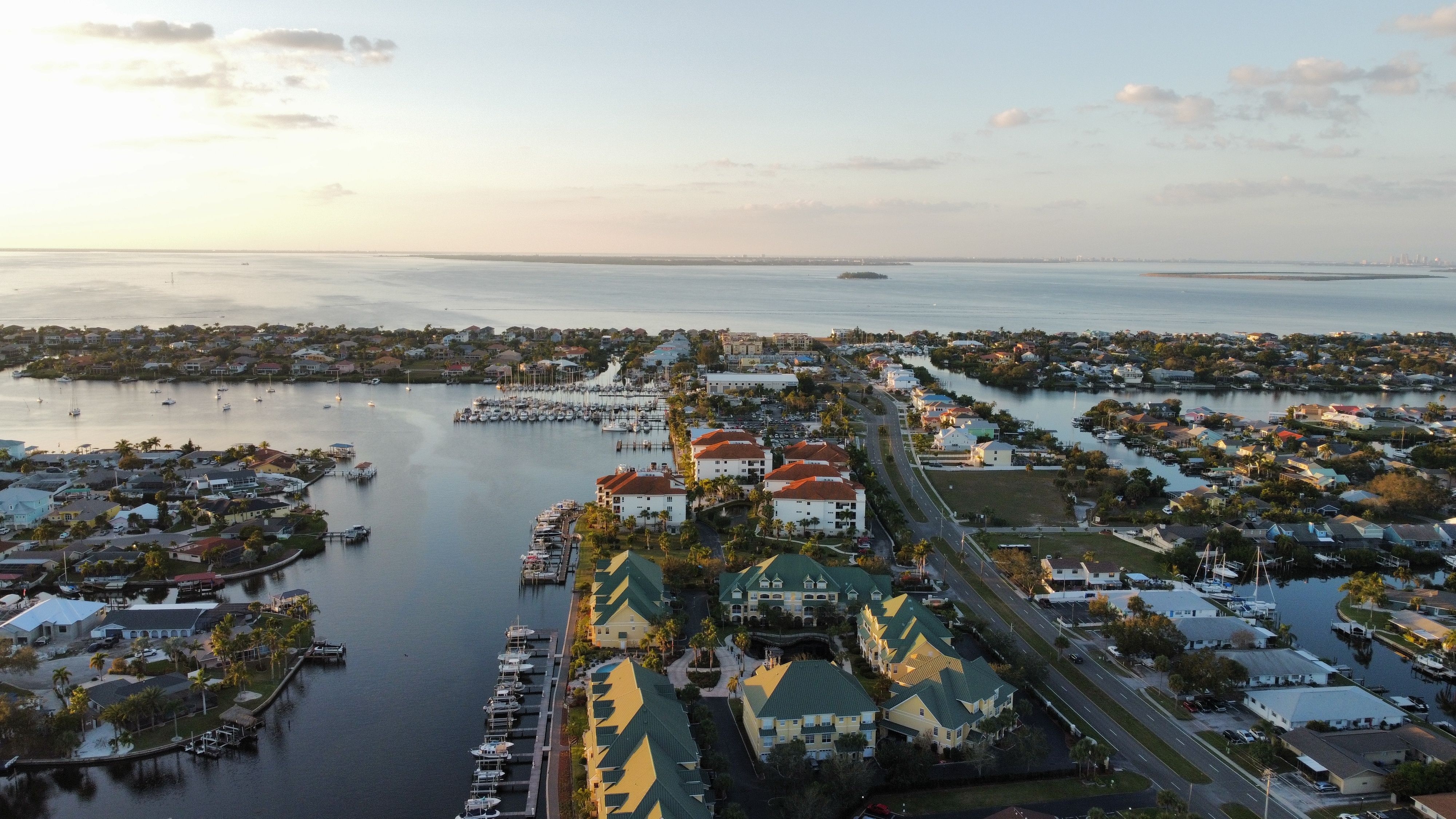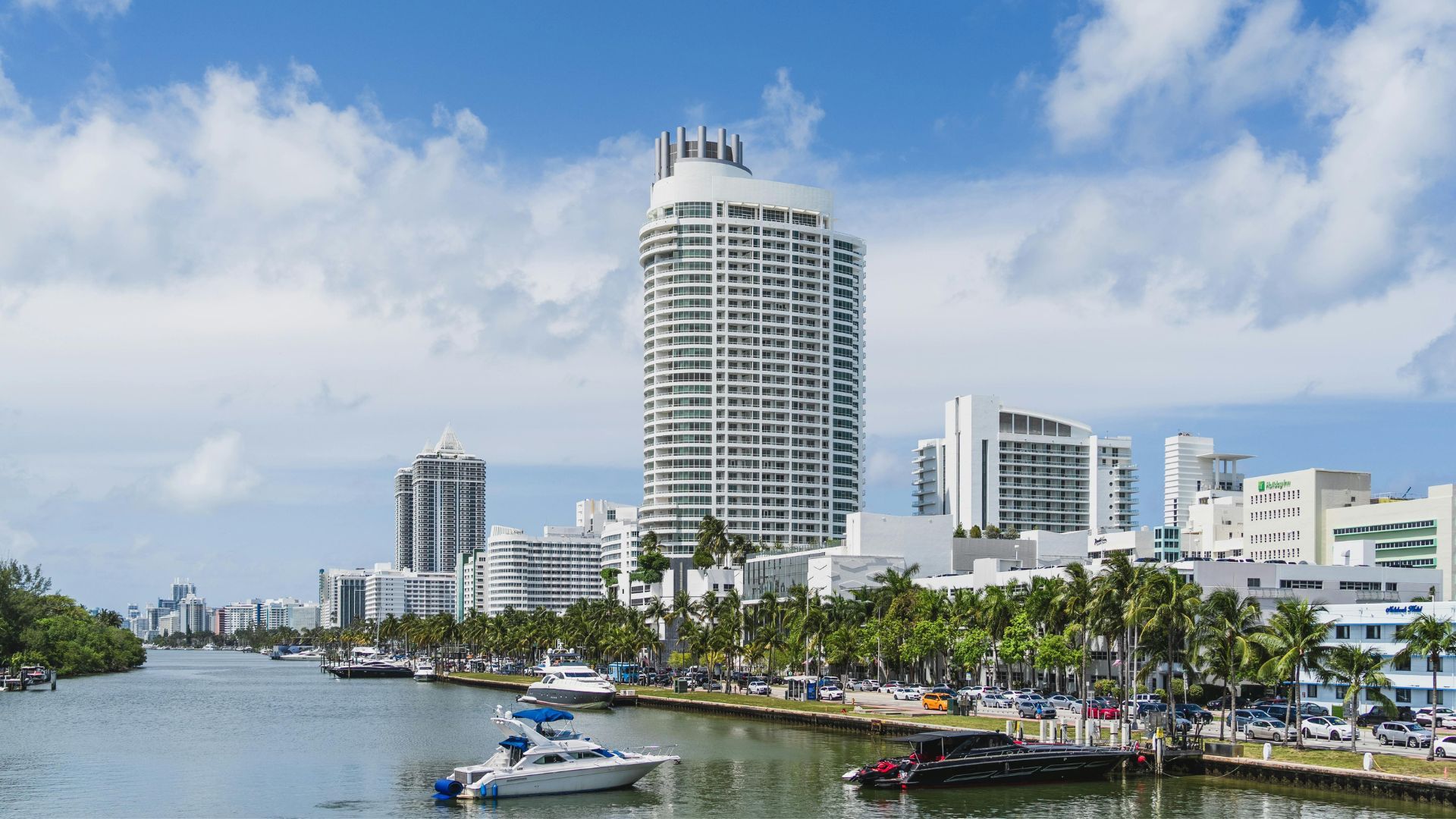


Buying a home in flood zone areas requires careful thought, especially in Florida, one of the most flood-prone states in the United States. The Federal Emergency Management Agency (FEMA) designates flood zones to indicate different levels of flood risk, and these classifications affect everything from insurance requirements to property values. Properties in high-risk zones like AE or VE often require mandatory flood insurance. This adds major costs to homeownership. Also, buying a house in a flood zone affects resale value and long-term investment potential.
This piece explains florida flood zones, how they affect flood zone home value florida, and whether you should buy a house in flood zone areas like Tampa Bay, St Pete, and Clearwater.
Understanding Florida Flood Zones and FEMA Designations
What Are Flood Zones in Florida?
FEMA defines flood zones as geographic areas that indicate the level of flood risk for specific locations. These designations serve as the foundation for insurance rating and building regulations across Florida. High-risk flood zones have a 1% or greater chance of flooding in any given year. This percentage translates to at least a 26% cumulative probability of experiencing at least one flood event over a 30-year mortgage.
The term "100-year flood" often misleads property owners. A flood in this category doesn't occur once per century. Rather, it represents a 1% annual flood probability. Flood events can happen back-to-back years, whatever time the last flood occurred.
Common Flood Zone Types: Zone AE, VE, and Zone X
Zone AE designates high-risk areas in the 100-year floodplain where detailed studies have determined Base Flood Elevations (BFEs). Properties in Zone AE require flood insurance for federally-backed mortgages. These zones appear often near rivers or low-lying areas where heavy rain raises water levels fast.
Zone VE marks coastal high-hazard areas subject to 1% annual flood chance plus storm-induced velocity wave action. Wave heights exceed 3 feet in these zones. Structures face the highest insurance premiums and strictest building requirements because of severe wave damage potential during flood events.
Zone X has two classifications. Shaded Zone X indicates moderate flood hazard between the 100-year and 500-year floodplains, with 0.2% annual chance. Unshaded Zone X represents minimal flood hazard outside both floodplains. Zone X doesn't require flood insurance, yet more than 20% of NFIP claims originate from these moderate-to-low risk areas.
How FEMA Flood Maps Work
FEMA maintains Flood Insurance Rate Maps (FIRMs) that show Special Flood Hazard Areas (SFHAs) across communities. The maps determine building elevation standards and guide floodplain management programs [5]. FEMA updates maps from time to time based on new engineering studies, topographic data and observed flood events. Properties may change into or out of high-risk zones when maps change, affecting insurance requirements and costs.
Tampa Bay, St Pete, and Clearwater Flood Zones
St Petersburg, Tampa and Clearwater properties face varied flood risks based on proximity to waterfront areas and elevation. New FEMA maps for Pinellas County took effect on August 24, 2021. Property owners should verify their specific flood zone designation, as waterfront locations fall in VE or AE zones while inland areas may be designated AE, AH or X zones depending on elevation and local drainage conditions.
Financial Impact of Buying a House in a Flood Zone
Flood Insurance Requirements and Costs
Federally backed mortgages mandate flood insurance for properties in Special Flood Hazard Areas (zones beginning with A or V). Standard homeowners policies exclude flood damage and require separate coverage through the National Flood Insurance Program or private insurers. Florida homeowners pay around 2-3 times the national average due to extensive coastal exposure. Annual costs range from $700 to $900 for standard NFIP coverage statewide. High-risk zones see premiums between $2,000 and $15,000+ each year. Moderate-to-low risk zones cost $400 to $1,200 per year.
Premium calculations factor in your property's elevation relative to Base Flood Elevation, distance from water sources, and foundation design. Properties elevated above BFE can save 30-60% compared to homes below BFE. Private flood insurance often charges 20-40% less for moderate-to-low risk properties.
How Flood Zones Affect Property Values in Florida
Buyers factor insurance costs into purchase offers. This results in lower property values than similar homes outside flood-prone areas. Houses with lower flood risk have seen faster price appreciation than high-risk homes in the last decade. The gap widened substantially since 2022 and signals stronger interest in homes on higher ground. Properties in flood zones may have reduced buyer pools and extended time on market.
Mortgage and Lending Considerations
Lenders include flood insurance premiums in debt-to-income ratio calculations. This can reduce maximum purchase prices buyers qualify for. The annual premium divided by 12 adds to monthly PITI expenses. Lenders exercise more caution when financing homes in flood zones and sometimes require stricter terms such as higher down payment requirements.
Effect on Home Appreciation and Resale Value
The FEMA 50% rule limits renovation spending to half the home's market value without triggering elevation requirements. Flood maps update from time to time. Properties currently in low-risk zones may be reclassified and face increased insurance requirements. Buyers hesitate to purchase in higher-risk areas due to insurance costs and future risk concerns. This affects negotiation leverage.
What to Research and Verify Before Making an Offer
Check the Property's Flood History
Review seller disclosure documents to check past flood damage claims before you buy a house in a flood zone. Walk the property perimeter and search for foundation cracks or basement water stains that suggest previous flooding. Ask neighbors about their flood experiences since surrounding properties often share similar risks.
Request an Elevation Certificate
Elevation certificates cost between $400 and $900 in Florida. Check if one exists through your county floodplain manager or the Florida Division of Emergency Management database before you pay for a new survey. Only licensed Professional Surveyors and Mappers can complete these documents in Florida. The certificate measures your lowest floor elevation against Base Flood Elevation and affects premium calculations.
Get Flood Insurance Quotes Early
Get quotes before you finalize your offer since NFIP policies require a 30-day waiting period. Early quotes reveal true ownership costs and help you determine if the house in a flood zone fits your budget.
Review Flood Zone Determination Reports
Lenders order these reports during mortgage processing to identify SFHA properties. Request a copy and verify that the property's official designation matches seller representations.
Understand Local Building Codes and Restrictions
Pinellas County mandates new construction at least one foot above BFE. Local ordinances may exceed state requirements and affect renovation costs when you buy a home in flood zone areas.
Should You Buy a House in a Flood Zone? Weighing Your Options
Benefits of Waterfront and Flood Zone Properties
Flood zone properties often cost less upfront, allowing you to secure locations that might otherwise exceed your budget. Waterfront access delivers lifestyle benefits like swimming, fishing, and sunset views that many buyers prioritize. You'll face nowhere near as much competition since fewer buyers pursue these homes. Waterfront properties appreciate steadily over time because of limited supply. Vacation rental demand remains strong in tourist areas.
Flood Mitigation Measures That Add Value
Elevation on pilings or raised foundations reduces flood exposure and lowers insurance premiums. Flood vents in foundation walls prevent structural damage during events. Impact-resistant windows and reinforced foundations increase buyer confidence at resale. Sump pumps, French drains, and improved grading direct water away from structures. These upgrades can reduce insurance costs 30-60%.
When a Flood Zone Purchase Makes Sense
A home in a flood zone works when waterfront living lines up with your priorities and you accept the associated risks. Financial readiness matters. Ask yourself whether you can absorb insurance costs and recover from what damage might mean. Properties that are well-maintained and insured can deliver solid returns over time, especially in high-demand coastal markets.
Red Flags to Watch Out For
Active floodways carry the biggest water flow during storms and face severe construction restrictions. Extreme elevation requirements push costs beyond reasonable limits. Properties lacking viable wastewater solutions create compliance problems. Insurance premiums that strain your budget hurt resale prospects. Limited infrastructure like unreliable access roads adds unmanageable risk.
Conclusion
Buying a house in a flood zone can be a smart investment as long as you approach it with awareness of the risks and costs. Get flood insurance quotes early, verify the property's elevation and review its flood history before making an offer. You'll make a confident decision that lines up with both your budget and long-term goals once you balance waterfront lifestyle benefits against insurance expenses and mitigation costs.
FAQs
Q1. Is purchasing a property in a flood zone a risky decision? Buying in a flood zone involves both financial and safety considerations. High-risk areas typically require mandatory flood insurance, which can be costly, and properties may face damage during flood events. However, with proper research, adequate insurance coverage, and understanding of mitigation measures, it can be a viable option depending on your budget and risk tolerance.
Q2. What does FEMA's 50% rule mean for homeowners in flood zones? The FEMA 50% rule states that if renovation or repair costs exceed 50% of the property's market value, the structure must be brought into compliance with current flood elevation standards. This means you may be required to elevate the home or implement other protective measures, which can significantly increase renovation expenses.
Q3. How much does flood insurance typically cost in Florida? Florida flood insurance costs vary widely based on risk level. Statewide, standard coverage averages $700-$900 annually. However, high-risk zones can see premiums ranging from $2,000 to over $15,000 per year, while moderate-to-low risk areas typically cost $400-$1,200 annually. Properties elevated above Base Flood Elevation can save 30-60% on premiums.
Q4. What important steps should I take before making an offer on a flood zone property? Before making an offer, check the property's flood history through disclosure documents and neighbor interviews, request an elevation certificate to understand insurance costs, obtain flood insurance quotes early (noting the 30-day NFIP waiting period), review the flood zone determination report, and research local building codes and elevation requirements that may affect future renovations.
Q5. When does buying a home in a flood zone make financial sense? Purchasing in a flood zone can be worthwhile when waterfront living aligns with your lifestyle priorities, you can comfortably afford insurance premiums and potential mitigation costs, the property has proper flood protection measures in place, and you're financially prepared to handle potential flood-related expenses. Waterfront properties often appreciate well due to limited supply and high demand in desirable coastal markets.
References
[1] - https://pinellas.gov/flood-maps-zones/
[2] - https://www.iqratemortgages.com/blog/getting-a-mortgage-for-a-home-in-a-tampa-florida-flood-zone
[3] - https://www.leegov.com/dcd/flood/defined
[4] - https://harbourinsuranceagency.com/blog/how-much-is-flood-insurance-in-florida-real-averages-by-county-home-type-risk-rating-2-0/
[5] - https://apexsurvey.us/blog/how-to-get-elevation-certificate-florida
[6] - https://permitpushers.com/blog/purchasing-a-property-in-a-flood-zone
[7] - https://www.fema.gov/flood-maps/know-your-risk/realtor-lending-insurance
[8] - https://mhsappraisal.com/how-flood-zones-impact-property-value-in-south-florida/
[9] - https://www.fema.gov/flood-insurance/work-with-nfip/risk-rating/single-family-home
[10] - https://www.realtor.com/advice/sell/flood-maps-changing-home-sales/
[11] - https://oldetownbrokers.com/flood-zones-in-florida-buyers-guide/
[12] - https://www.crossviewrealty.com/blog/2026/4/16/how-hard-is-it-to-sell-a-house-in-a-flood-zone-in-florida
[13] - https://www.floridadisaster.org/elevation-certificates/
[14] - https://www.fema.gov/flood-insurance
[15] - https://www.floodinsuranceguru.com/the-flood-insurance-guru-blog/what-is-the-difference-between-a-zone-determination-and-an-elevation-certificate
[16] - https://pinellas.gov/construction-in-a-floodplain/
[17] - https://www.rocketmortgage.com/learn/buying-a-house-in-a-flood-zone
[18] - https://www.redfin.com/blog/buying-a-house-in-a-flood-zone/
[19] - https://www.bardellrealestate.com/buying-in-a-flood-zone-what-florida-homebuyers-need-to-know/
[20] - https://www.nassaucountyfl.com/1458/Protect-Property-from-Hazard
[21] - https://dameasyfloodbarriers.com/a/blog/retrofitting-your-home-for-flood-protection-and-value-boost