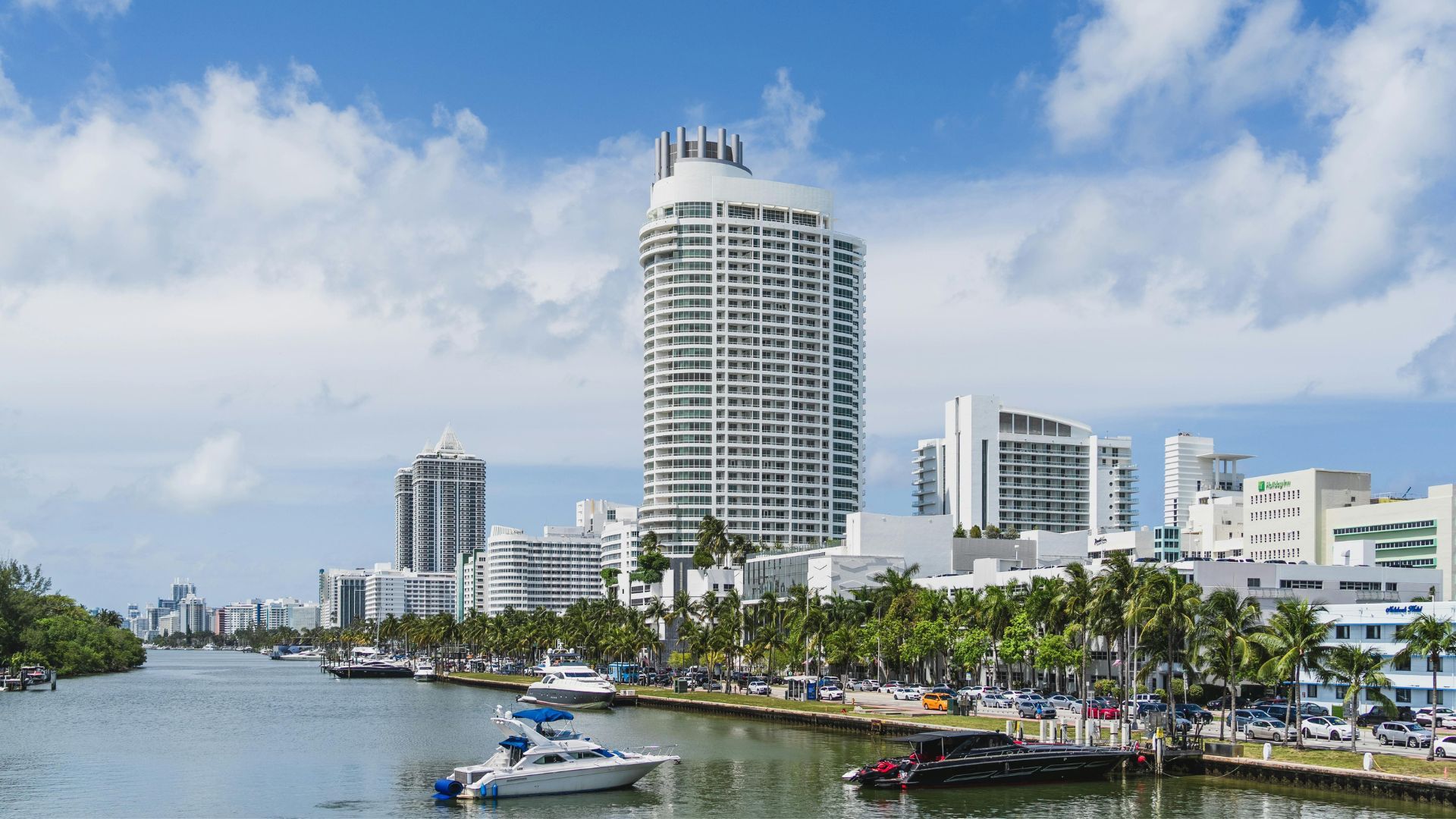

Sellers rarely get the answer they hope for at the time they ask me how long it takes to sell a home in Florida. The reality is more nuanced. Recent data shows that a Florida home takes 59 to 67 days to go under contract and another 30 to 45 days to close. Your total timeline comes to 90 to 110 days. That said, these numbers change based on your location, pricing strategy, property condition and time of year. In this piece, we'll break down the complete selling timeline and regional differences in a variety of Florida markets. We'll also cover seasonal patterns and proven strategies to accelerate your sale.
Average Time to Sell a House in Florida: The Real Numbers
Days on market vs total selling timeline
You need to separate two distinct timeframes to understand how long it takes to sell a house. Days on market measures the period from when your home hits the MLS to when you accept an offer. The total selling timeline has everything from pre-listing preparation through closing.
Florida homes spend a median of 44 days from listing to contract as of April 2026 statewide. This figure fluctuates throughout the year, though. Recent data shows the median days on market ranging from 59 to 82 days. Season and local conditions drive these changes. The under-contract period adds 30 to 45 days for inspections, financing and title work once you accept an offer.
So the complete timeline from listing to closing runs about 94 to 116 days. Sellers who need time for pre-listing preparation, repairs and staging should add another 1 to 3 weeks. That brings your total timeline from decision to keys handed over to about 90 to 110 days under normal circumstances.
How Florida compares to national averages
Florida's housing market moves slower than the national pace. The national median sits around 52 to 55 days on market as of early 2026. Florida runs about 35% slower than that standard, and homes average 115 days total from listing to closing.
Several market realities drive this slower pace. Florida's rapid inventory expansion has shifted many metros into buyer's market territory. Miami faces extended timelines with 9.7 months of supply, while Orlando carries 7 months of supply. These inventory levels give buyers more negotiating power and reduce the urgency that drives faster sales.
The condo and townhome segment moves even slower. Condos in Sarasota County take a median of 76 days to contract versus 59 days for single-family homes. Manatee County shows a like pattern at 67 days for condos compared to 65 days for single-family properties.
Regional differences across Florida cities
Tampa demonstrates some of the state's faster movement. Homes average 67 to 77 days on market. The total timeline runs about 100 days, about two weeks quicker than the state average. Homes in specific Tampa zip codes like 33647 go under contract in just 44 days.
Orlando lands in the middle range, with days on market hovering around 56 to 70 days. The full sale completes in under 90 days when priced competitively.
Jacksonville presents a longer timeline at about 118 days total. Homes spend around 85 days on market before accepting an offer. Port St. Lucie averages 117 days total with 85 days on market in a like fashion.
Miami represents one of Florida's slowest markets. Homes spend 54 to 89 days just reaching pending status. The median days on market sits at 80 days as of recent data. Fort Lauderdale follows a like pattern at 92 days.
Coastal markets in Southwest Florida show varied timelines. Naples averages 92 days on market, while Cape Coral sits at 77 days. Single-family homes in Sarasota and Manatee counties take 59 to 65 days to reach contract.
Smaller markets can move faster when priced right. Winter Park shows homes selling around 41 days, while certain competitive areas go under contract in as few as 19 to 39 days.
Breaking Down the Complete Selling Timeline
Pre-listing preparation phase (1-3 weeks)
Expect to spend 1 to 3 weeks preparing the property before your home appears on the MLS. How quickly you'll receive offers once listed often depends on this phase.
You'll schedule professional photography, complete repairs, develop a pricing strategy and potentially stage the home during this stage. Well-prepared homes attract more buyers in the first week, and that initial week matters more than most sellers realize.
Sellers who skip this preparation phase end up paying for it later. Their homes sit on the market longer than they should. The time invested upfront in painting neutral colors, fixing minor issues like loose door handles or broken tile, and decluttering each room affects your days on market directly.
You'll also need to gather documentation during this period. Title work, mortgage statements, repair records, warranties and HOA information should all be compiled before listing. Pre-listing inspections can identify issues that might derail negotiations later. Getting replacement estimates for older roofs or worn carpeting helps during negotiations even if you don't complete the work.
Active market period (listing to offer)
The waiting begins once your home hits the market. This period varies substantially based on pricing accuracy and market conditions. Correctly priced single-family homes in Florida go under contract within 2 to 10 weeks.
First impressions drive results. Most buyer interest concentrates in the first two weeks after listing. Homes that sit longer than 60 days without strong offers usually face pricing issues or property condition concerns that discourage buyers.
Under contract to closing (30-45 days)
A financed purchase requires 30 to 45 days to close once you accept an offer. Cash buyers compress this timeline to 10 to 21 days.
The under-contract period follows a predictable sequence. Earnest money deposits and title search initiation happen in days 1 through 3. The buyer's lender orders the appraisal right away.
The inspection period covers days 1 through 15. Buyers schedule general inspections, termite evaluations, pool inspections if applicable and 4-point inspections for insurance purposes. Repair negotiations happen during this window, and condo document review begins for applicable properties.
Loan processing takes place in days 15 through 30. The appraisal gets completed, insurance coverage gets bound and the title commitment gets issued and reviewed. Any title curative work starts during this phase.
Final approvals come in days 30 through 45. The lender issues clear to close, and the Closing Disclosure goes to the buyer with a required 3-day review period. You'll conduct a final walkthrough and then meet at the title company or attorney's office for closing.
Closings in Florida fund and record the same day. The deed gets recorded with the county clerk, and ownership transfers officially.
Total timeline from decision to keys handed over
Expect 10 to 14 weeks total for a well-priced single-family home in normal market conditions when adding all phases together. Best-case scenarios with move-in-ready properties and cash buyers can close in 3 to 5 weeks total. Overpriced homes or properties needing work extend the timeline to 4 to 6 months and often require price reductions.
What Actually Controls How Fast Your Home Sells
Pricing strategy and market positioning
Price determines how fast your home sells more than any other single factor. Homes priced to compete generate interest within days, while overpriced listings sit for months and need multiple reductions.
The numbers tell a clear story. Overpriced homes get filtered out of buyer searches and linger on the market longer than average. They sell for less than they might have if priced right from the start. Buyers assume something is wrong with properties that sit for weeks. Homes priced just below market value create urgency and often spark competing offers that drive the final price above asking.
The first 7 to 10 days on market are critical. Your listing gets maximum exposure during this window. Online views peak and buyer interest runs highest. Pricing mistakes during this period cost you weeks or months of market time.
Property condition and buyer expectations
Move-in ready properties sell faster than homes that need repairs. Buyers want properties that need little to no work, especially in competitive markets where they lack time or resources for renovations. Simple improvements make a big difference in sale speed. Fresh paint, updated fixtures and clean landscaping all help.
Well-maintained and updated properties associate with shorter days on market. Cosmetic repairs such as torn window screens, cracked windows and damaged drywall are cheap fixes that add considerable value to your home's esthetics. Leaving these repairs undone turns off potential buyers.
Location and neighborhood demand
Location plays a large role in value and sale speed. You're not just selling a home but access to a community that suits buyer needs. Sought-after community amenities justify higher home values and faster sales, while homes in less desirable areas carry lower listing prices and longer market times.
Proximity to desirable school systems, shopping centers, parks and convenient interstate access all increase or decrease your listing price and sale speed. Location is the biggest factor affecting days on market. High-demand areas throughout the country show shorter DOM.
Time of year and seasonal patterns
Real estate activity fluctuates throughout the year. Spring and summer see the most active seasons for home sales, as families prefer moving during warmer months when school is out. Homes listed during peak seasons often sell faster due to increased buyer activity.
Fall and winter tend to be slower seasons. Homes listed during these months may take longer to sell, though sellers face less competition from other listings. Seasonality acts as the market calendar, with spring and summer being the fastest-selling seasons.
Property type: Single-family vs condos
Single-family homes sell faster than condos because they appeal to a broader buyer pool. In Florida, single-family homes took a median of 59 days to contract in Sarasota County versus 76 days for condos. Manatee County showed a similar pattern at 65 days for single-family homes compared to 67 days for condos.
Condos face additional hurdles including building approval processes, monthly fees and financing restrictions. Rising HOA fees affect what buyers can afford when already qualifying for a mortgage by a lot. Single-family homes appreciate more consistently due to land ownership, while condos remain more sensitive to market fluctuations.
Best Months to Sell a House in Florida
Timing matters when you're wondering how long does it take to sell a home in Florida. The calendar can add or subtract weeks from your timeline.
Peak season: January through March
Winter brings Florida's most active buyer pool. The period from November through April is considered peak season in South Florida, when your chances of selling fast run highest. January gets a 10.6% seller premium, while February delivers 12.8% and ranks as the second-best month to sell. Snowbirds flood the market during these months, and they're not casual browsers. These buyers often carry cash or have financing ready. The buyer influx means your property shows beautifully in perfect weather, and you're more likely to receive multiple offers.
Spring activity: April and May
Spring represents the best window for Florida sellers. May tops the charts with a 13.1% seller premium, followed by April at 12.5%. March through June sees a substantial rise in home sales in Tampa, Orlando and Miami. Families enter the market and prepare to move before school starts. This creates fierce competition in popular areas. But these months also bring increased listing inventory as more sellers enter the market.
Summer slowdown: June through August
June maintains strong momentum with a 12.4% seller premium before activity tapers. The premium drops to 10.3% at the time August arrives. Fewer buyers actively search during Florida's intense heat and humidity. Properties stay on the market longer. Competition decreases, but the buyers who remain tend to be serious about purchasing. Families push to close quickly before school begins.
Fall opportunities: September and October
September and October bring Florida's "second season" as seasonal residents return. September and October both show 9.5% and 8.8% seller premiums respectively. Motivated sellers eager to close before holidays create opportunities for serious buyers. Therefore, you'll face less competition from other listings during these months.
Why winter listings face unique challenges
December through February marks the slowest period nationally. Families avoid school-year disruptions. December gets only a 10.0% premium. Holiday distractions and year-end focus reduce local buyer activity. Peak season traffic creates contractor shortages for pre-sale preparations in tourist-heavy regions.
Proven Ways to Speed Up Your Florida Home Sale
You need careful planning in six key areas to cut down the time it takes to sell a home in Florida.
Price it right from day one
Get a full picture through comparative market analysis before you list. Aspirational pricing filters your home out of buyer searches. Price just below major thresholds (USD 499,900 instead of USD 500,000) to capture broader search results. Overpricing results in extended market time and eventual price reductions that signal desperation.
Prepare your home before listing
Take care of visible repairs before you list. Dripping faucets, loose handles and cracked tiles need fixing. Deep clean every surface. Baseboards and windows matter. Small issues create buyer concerns about larger hidden problems.
Stage for Florida buyers
Start with a focal point in each room. Arrange furniture to showcase natural light and flow. Neutral tones work best. Remove personal photos. High-impact areas deserve your staging budget: living room, master bedroom, kitchen and outdoor spaces.
Professional photography and marketing
Homes with professional photos sell 32% faster. Professional images generate 118% more online views. Properties sell for up to 47% higher prices. Schedule photography after you complete staging during optimal lighting conditions.
Address insurance and inspection concerns upfront
Insurance issues cause deals to fall apart. Disclose prior insurance claims early. Pre-listing inspections help you identify and address issues before buyers find them.
Highlight outdoor living spaces
Florida buyers expect functional outdoor areas. Stage patios, pools and lanais as livable extensions. Ambient lighting and fresh plants showcase outdoor potential.
Conclusion
The question of how long it takes to sell depends on choices you control, like many aspects of real estate. Price your home correctly from day one, prepare it really well before listing, and time your sale for peak season. These strategies can cut weeks off your timeline.
The typical Florida selling timeline is 90 to 110 days, but I've seen homes that were ready to go under contract in less than three weeks. Your pricing strategy matters more than anything else. Get that right and the rest of the process moves smoothly. The buyers are out there during spring months especially, so make sure your home stands out when they're searching actively.
Key Takeaways
Florida home sellers should expect a realistic timeline and understand the key factors that accelerate their sale in this unique market.
• Florida homes typically take 90-110 days total from listing to closing, with 59-67 days to get under contract and 30-45 days to close
• Pricing correctly from day one is the single most important factor - overpriced homes sit for months while competitive pricing generates offers within weeks
• Peak selling season runs January through May, with May offering the highest 13.1% seller premium and fastest buyer activity
• Single-family homes sell faster than condos (59 vs 76 days on market), and move-in ready properties significantly outperform fixer-uppers
• Professional staging, photography, and addressing repairs upfront can reduce market time by weeks compared to unprepared listings
The Florida market moves about 35% slower than national averages due to increased inventory, but sellers who understand seasonal patterns and price strategically can still achieve quick sales during peak months when snowbirds and families actively search for homes.
FAQs
Q1. How quickly can I sell my Florida home if I accept a cash offer? Cash sales in Florida close much faster than traditional financed purchases. While the typical Florida home sale takes 90-110 days from listing to closing, cash buyers can complete the transaction in just 10-21 days since they don't need to secure financing or wait for appraisals.
Q2. What's the difference between days on market and total selling timeline? Days on market measures only the time from when your home is listed until you accept an offer, which averages 59-67 days in Florida. The total selling timeline includes pre-listing preparation (1-3 weeks) plus the under-contract period (30-45 days), bringing the complete process to approximately 90-110 days.
Q3. Why do Florida homes take longer to sell than the national average? Florida's housing market moves about 35% slower than the national median due to rapid inventory expansion in many metros. Cities like Miami have 9.7 months of supply and Orlando carries 7 months, giving buyers more negotiating leverage and reducing the urgency that typically drives faster sales.
Q4. Does the type of property affect how long it takes to sell in Florida? Yes, property type significantly impacts selling speed. Single-family homes sell faster than condos because they appeal to a broader buyer pool. In Sarasota County, single-family homes take a median of 59 days to contract versus 76 days for condos, which face additional hurdles like HOA fees and financing restrictions.
Q5. What's the best time of year to list my Florida home for a quick sale? May is the optimal month to sell in Florida, offering a 13.1% seller premium and the fastest buyer activity. The peak season runs from January through May, when snowbirds and families actively search for homes. Spring months generate the most competition among buyers, leading to quicker sales and better prices.