
Key Takeaways
Strategic curb appeal improvements can add 5-15% to your home's value, translating to $15,000-$45,000 on a $300,000 property. Focus on high-impact, visible upgrades that create powerful first impressions for maximum return on investment.
• Garage door replacement delivers exceptional 268% ROI - covering 25-40% of your home's street elevation makes this the highest-return exterior upgrade
• Professional lawn care generates 217% cost recovery - a healthy lawn creates the foundation for all other improvements and signals proper maintenance
• Steel front doors offer 100% cost recovery at resale - black doors can add $6,449 to home value while creating crucial first impressions
• Power washing provides immediate impact for minimal cost - clean exterior surfaces can increase perceived value by up to $10,000 for just $200-$600 investment
• Strategic landscape lighting increases value up to 20% - well-lit properties feel safer, appear larger, and highlight architectural features after dark
Start with low-cost, high-impact improvements like power washing and fresh mulch before investing in major upgrades. These proven strategies work together to create cohesive curb appeal that attracts buyers and commands premium prices in competitive markets. Most buyers decide whether they like your home before they even walk inside.
That first impression—your curb appeal—can increase your sale price by thousands or cost you the deal entirely.
The key to increase curb appeal is focusing on high-visibility areas such as your front entrance and landscaping. These strategic improvements create a first impression that affects buyer interest. This piece covers 10 proven ways to improve curb appeal and boost your home's value with useful, high-ROI upgrades.
Upgrade Your Front Door to Boost Curb Appeal
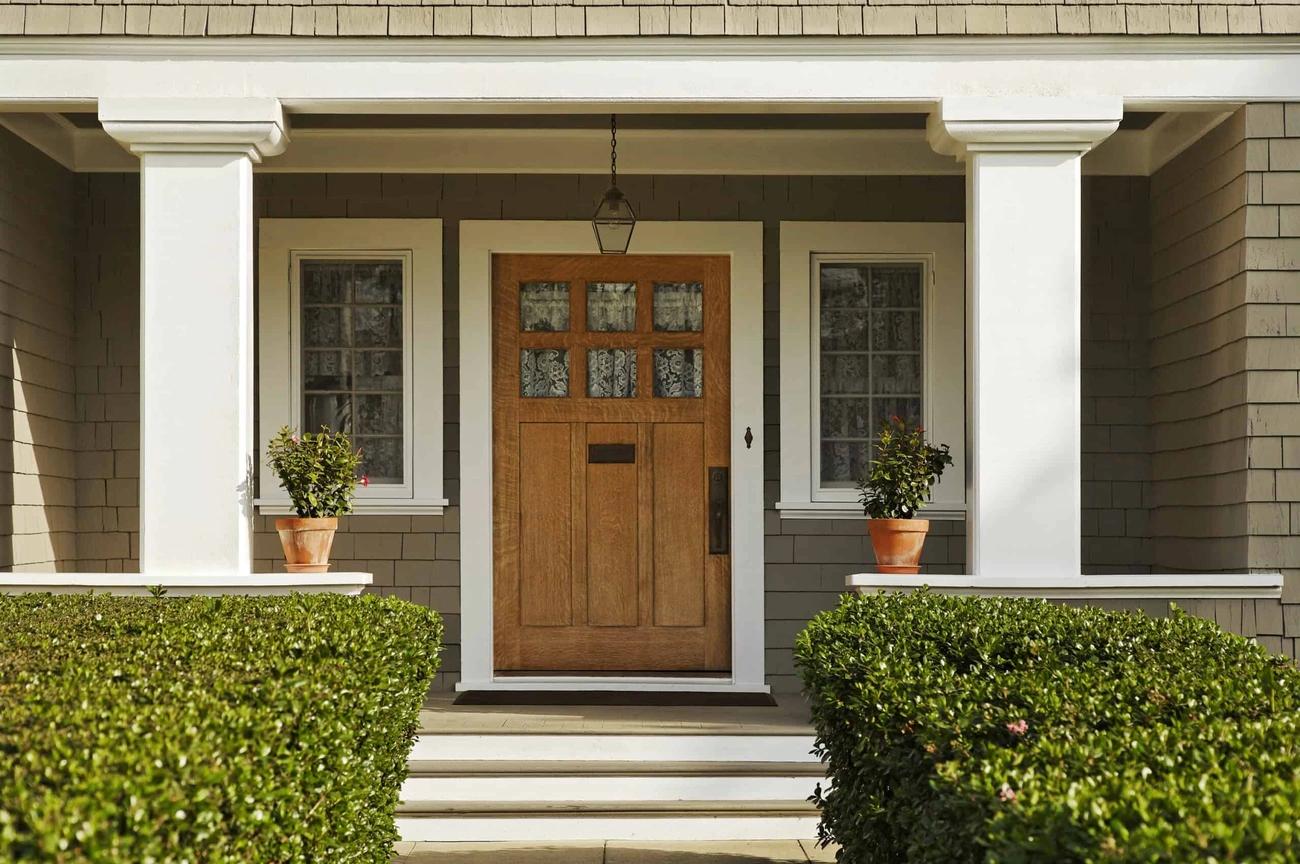 First impressions matter: a clean entryway and fresh landscaping can make your home more appealing to buyers before they even step inside.
Image Source: Granbury Door & Window
Upgrade Your Front Door to Boost Curb Appeal
Why Your Front Door Matters for Home Value
Your front door creates the first impression buyers form when they evaluate your property. A steel front door replacement offers 100% cost recovery at resale. This makes it one of the rare home improvements that pays for itself. Fiberglass doors deliver around 80% cost recovery. Older reports suggested door upgrades could recoup 91.7% of costs.
The door appears in listing photos and sets expectations for the rest of your home. Steel doors resist warping, cracking and swelling. They provide better insulation and boosted security. These factors signal to buyers that the property has been managed well. Fiberglass options offer similar durability with energy efficiency and can mimic wood's appearance without the maintenance requirements.
Best Front Door Colors and Styles
Color selection affects how buyers see value. Homes with black front doors can command $6,449 more on average. Slate blue doors work well with buyers and add an estimated $1,537 to offers. Olive green represents another strong choice that could increase offers by $969.
Avoid pale pink doors. Buyers describe them as "shabby looking" and associate them with a $6,516 reduction in value. Cement gray received the lowest score in buyer perception studies. Black or charcoal doors may add $6,271 to resale value.
Craftsman-style doors remain very popular with buyers. These doors feature solid wood or fiberglass construction with panels and glass inserts. Wood-grain doors trend because of growing interest in biophilic design that connects indoor and outdoor spaces. Modern steel doors deliver clean lines and contemporary appeal while maintaining the highest cost recovery.
Front Door Hardware and Accessories
Hardware finishes change how your door looks without full replacement. Matte black provides sharp contrast against most door colors while hiding fingerprints and water spots. Oil-rubbed bronze offers warmth with a traditional yet updated feel. Brushed nickel works for contemporary homes with cooler color palettes and avoids the dated look of lacquered brass.
Handleset styles match different architectural esthetics. The Century handleset features rectangular design that works for modern homes. You can get it in matte black, bright chrome or polished nickel. Camelot handlesets incorporate subtle scalloped details that fit colonial or transitional styles. They come in satin brass, satin nickel or aged bronze. The Addison handleset balances traditional and transitional designs with rectangular shapes and gentle curves. It works well in aged bronze or distressed nickel.
Coordinate all visible hardware in matching finishes. This includes the handleset, deadbolt, hinges and doorbell. This unified appearance creates a polished, intentional look. Smart locks with keyless entry add modern appeal and remote locking capability. They meet what buyers want for security and convenience.
Invest in Professional Landscaping
Why Landscaping Increases Home Value
Professional landscaping can increase your home's value by 10% to 30% based on the quality and scope of improvements. A $300,000 home could see $30,000 to $90,000 in added value. The National Association of Realtors' studies show that upgrading from average to excellent landscaping increases value by up to 12%. Small, strategic improvements in high-visibility areas boost perceived value by 3-7% in competitive markets.
Landscaping delivers exceptional cost recovery. Lawn care services generate 267% ROI, and landscape maintenance returns 100% of your investment. Professional design and installation projects yield 80-200% ROI depending on scope. Well-landscaped homes sell 6 weeks faster on average, which reduces carrying costs and market uncertainty. These financial returns speak for themselves.
Professional landscapers create cohesive designs that complement your home's architecture and address practical concerns like drainage, shade, and privacy. Mature trees alone increase property value by 7-19% and provide energy savings through strategic shade placement. Tree care investments return 100% at resale. These outdoor improvements often outperform indoor renovations in ROI, which makes them attractive for sellers preparing their property.
Foundation Plantings and Layered Design
Foundation plantings are garden beds placed next to your home that soften architectural lines and add color, structure, and texture. A well-designed foundation planting complements your architecture and increases property value by creating visual harmony between your home and landscape.
Successful designs rely on layering and repetition. The tallest species go at the back of beds and taper to shorter varieties at the front. Beds should be at least 6-8 feet deep to accommodate three rows of plants. Plants need spacing according to their mature size, with at least one plant's width between the house and plantings to prevent overcrowding and foundation damage.
Cohesive designs work best when you limit your plant palette and repeat species across your property. This focused approach looks more intentional than scattered varieties. Crisp edges from paths or decorative stone frame planting areas and signal thoughtful design. Key moments like entryways and windows benefit from accent plantings or specimen trees that draw the eye. Your planting style should match your home's architecture. Formal homes suit geometric arrangements with evergreen shrubs, and modern homes pair well with straight-edged beds and ornamental grasses.
Best Plants for Curb Appeal
Evergreens combined with deciduous plants provide year-round interest. You want one-third to one-half evergreens, with remaining space for perennials and flowering shrubs. Boxwoods make excellent foundation plants, with varieties like 'Baby Gem' and 'Sprinter' staying 2-4 feet tall. Inkberry holly serves as a native alternative tolerating heat and salt, with 'Gem Box' reaching 2-4 feet.
Panicle hydrangeas like 'Limelight' bloom on new growth and tolerate various conditions in Zones 3-9. Knock Out roses provide low-maintenance color from spring until frost in red, pink, white, coral, orange, peach, and yellow. Hostas offer varied foliage in shades of blue, gold, green, and variegated patterns. They thrive in Zones 3-8 with appropriate shade.
Sequence blooms across seasons by planting dianthus and Virginia bluebells for early spring, peonies for late spring, salvia and echinacea for summer, and helleborus for winter interest. Native plants appropriate for your climate ensure regional suitability and reduce maintenance requirements.
Power Wash Your Exterior Surfaces
Why Power Washing Increases Home Value
High-pressure water removes built-up dirt, grease, oil and grime that accumulates on exterior surfaces over time. Clean driveways, walkways and siding signal to buyers that your property has been well-kept. This perception proves significant because buyers equate cleanliness with proper care and assume they won't inherit major repair or cleaning projects.
Curb appeal improvements from power washing can add 5% to 11% to your home's value. A clean exterior suggests the entire property receives regular attention. Homes with excellent curb appeal sell for up to 7% more than similar properties with neglected exteriors. Unlike major renovation projects that cost thousands, power washing delivers substantial returns with minimal investment.
What to Power Wash for Maximum Impact
Driveways and walkways represent your starting point. These high-traffic areas accumulate oil stains, tire marks and embedded dirt that dull their appearance. Power washing restores concrete and asphalt surfaces to their original brightness and creates welcoming paths to your entrance.
Target porches, patios, decks and fences in addition to pavement. Siding benefits from thorough cleaning that removes accumulated mold and dirt while restoring color and preventing deterioration. You can power wash vinyl siding, concrete, asphalt, unsealed brick and natural stone. Wood surfaces require caution. Use lower pressure and wide nozzles to prevent splintering.
Gutters and roofs also respond well to cleaning, though roofs demand special care to avoid shingle damage. Softer surfaces like wood and sandstone can sustain damage from high-pressure nozzles. Use spread nozzles for original passes or hire professionals for delicate materials.
Power Washing Cost and ROI
Renting a power washer from home improvement stores costs $100-$200 per day. Professional services charge $0.15 to $0.30 per square foot nationally. Complete home washing ranges from $200 to $400 depending on size and complexity. Professional services average $250-$600 overall.
This modest expense gets exceptional returns. Properties can gain up to $10,000 in perceived value from professional pressure washing . The investment prepares surfaces for painting projects and prevents long-term damage from mold and algae that would require expensive repairs. Power washing also helps homes sell faster by creating move-in ready appeal that reduces time on market.
Add Strategic Landscape Lighting
Why Landscape Lighting Increases Home Value
Outdoor lighting can increase your home's value by up to 20% according to the National Association of Landscape Professionals. Properties with attractive lighting sell for higher prices and rent more quickly, especially when you have outdoor living spaces that meet buyer expectations. The ROI ranges from 50% to 70% on your investment when you use quality fixtures and professional installation. The National Association of Realtors reports returns up to 50%.
Lighting addresses multiple buyer concerns at once beyond financial returns. Well-lit properties feel safer and reduce risks from trips and falls along walkways. Strategic placement creates depth in your landscape and makes outdoor spaces appear larger. It highlights architectural features that might otherwise go unnoticed after dark. This curb appeal improvement proves effective in competitive markets where high-visibility enhancements affect buyer interest.
Types of Outdoor Lighting for Curb Appeal
Pathway lights illuminate walkways and garden paths. They create safe navigation and welcome guests to your entrance. These low-voltage LED fixtures cost $50 to $150 per light and work well to highlight flower beds or retaining walls. Spotlights and accent lights draw attention to architectural columns, stonework, or decorative facades. Adjustable fixtures let you focus light on trees, shrubs, or statues and add drama to your landscape design.
Step and deck lighting combines safety with style through recessed LED installations along stairs, patios, and decks. These fixtures blend naturally into your exterior and reduce accident risks. Wall lights and porch fixtures make your entryway more welcoming. Well-placed sconces provide security and complement your home's design. Floodlights cover large areas and provide security lighting at $70 to $230 each for broader illumination.
Landscape Lighting Installation and Costs
Professional installation averages $3,500. Most homeowners pay $2,000 to $6,000. Small projects covering key walkways with 10 to 20 fixtures cost $1,000 to $2,000. Medium systems with 20 to 30 lights run $2,000 to $3,000. Elaborate designs with 40 or more fixtures reach $5,000 to $7,000.
Labor charges range from $45 to $100 per hour for professional installation. Individual fixtures cost $100 to $500 each depending on type and complexity. LED fixtures require higher upfront investment but use 75% less energy than incandescent bulbs. They last up to 25 times longer and reduce long-term electricity and maintenance expenses.
Maintain a Pristine, Healthy Lawn
Why Lawn Quality Increases Home Value
A healthy lawn serves as the canvas for all other curb appeal improvements and influences how buyers see your entire property. Landscaping can increase property values by up to 20%. Virginia Tech research shows homes with good landscaping command a 5.5% to 12.7% price advantage depending on the type of landscaping and original home value. Professional landscaping delivers 15% to 20% increases when managed to keep it in good condition.
The effect extends beyond raw numbers. Buyers associate outdoor appeal with overall property care and create what psychologists call the halo effect. A lawn that gets regular attention sets expectations that your entire home receives the same care. This suggests fewer repairs and lower costs after purchase. Properties with attractive lawns sell faster than those with neglected exteriors and reduce your carrying costs and market uncertainty.
Dense, fibrous root systems from healthy lawns hold soil in place. They prevent erosion on sloped properties that can cause costly repairs. Neglected lawns invite pest infestations, diseases and weeds that escalate into expensive treatments.
Lawn Maintenance Best Practices
Regular mowing keeps grass at the right height and promotes healthy growth while preventing weeds. Never cut more than one-third of the grass blade at a time. This allows roots to grow deeper and require less water. Raising blade height to three or four inches during summer reduces stress. Edging creates crisp, clean lines that give your lawn a professional appearance. Defined borders around grass and flower beds signal intentional care.
Fertilization provides nutrients for vibrant, resilient grass. Apply treatments in mid-to-late April once soil reaches 55°F, three times during summer growing season and in fall with slow-release granular fertilizer. Spring pre-emergent treatments battle weeds before they sprout. Broadleaf applications target dandelions and clover. Aeration pulls small soil cores from your lawn and allows water and oxygen to reach roots while addressing compaction that weakens turf.
Water in early morning when temperatures stay cool to prevent evaporation. Water less often but deeply to encourage deeper root growth rather than shallow, needy roots from daily watering.
Lawn Care Cost and ROI
Standard lawn care service delivers 217% cost recovery at resale and represents the highest ROI among outdoor projects. Professional services average $150 to $200 per month. Individual mowing starts at $29 per visit. Analysis shows simple lawn care costing around $268 adds about $1,200 in resale value and generates 352% ROI.
Professional fertilization and weed control provide the biggest long-term returns. They build soil health and prevent invasive weeds that get costly to eliminate later.
Refresh Mulch and Define Garden Beds
Why Fresh Mulch Increases Home Value
Fresh mulch transforms your landscape into a neat, well-managed space that attracts buyers right away. Mulch creates contrast that makes greenery appear more vibrant and flowers more striking. This draws attention to your garden beds that you planned with care. This polished appearance signals low-maintenance landscaping, a most important selling point for buyers who want beauty without excessive effort.
Adding fresh mulch gets 126% ROI upon closing. The National Association of Realtors estimates that annual mulching combined with simple lawn maintenance delivers 100% return on investment. Beyond raw numbers, a yard with fresh mulch suggests your property receives regular attention. This helps buyers assume they won't inherit outdoor chores or pricey landscaping repairs.
Mulch serves functional purposes that protect your landscaping investment. It suppresses weeds, retains soil moisture, and regulates temperatures in the root zone. These benefits reduce maintenance costs while keeping plants healthy and attractive throughout selling season.
How to Apply Mulch for Curb Appeal
Select organic mulches like shredded bark, wood chips, or compost for trees, shrubs, and ornamental beds. Apply organic materials in a 2- to 4-inch layer, with finer options like compost needing only 2 inches while coarser wood chips can go up to 4 inches deep. Keep mulch at least 6 inches away from your home's foundation to prevent moisture damage and pest problems.
Darker colors deliver better results than bright options. Brown or black mulch makes plants appear more vibrant and suits most homes. Avoid red mulch, which decomposes faster and works only with specific color schemes. Black mulch retains heat better in cooler regions.
Pull mulch several inches away from plant trunks and crowns to prevent rot and disease. Spread mulch out to the drip line for trees and shrubs while maintaining clear space at the base.
Define garden beds with edging to create crisp, intentional borders. Use a manual edger to mark boundaries, dig a shallow trench wider than your edging material, and spread paver base for stability. Stone, brick, or metal edging frames mulched areas and prevents material from washing onto lawns.
Mulch Cost and ROI
Professional mulch installation averages $77 to $94 per cubic yard, including materials, delivery, and labor. A cubic yard covers 162 square feet at 2 inches deep or 108 square feet at 3 inches. Most homeowners spend $20 to $45 per cubic yard for materials alone.
Buying in bulk reduces costs by 35% compared to bagged mulch. Delivery fees run $70 to $140 but cover multiple cubic yards. Larger projects benefit from bulk purchasing and professional application that ensures proper depth and placement.
Replace or Update Your Garage Door
Why Garage Doors Increase Home Value
Garage doors occupy 25-30% of your home's street-facing elevation. Some properties show up to 40% coverage. This substantial visual presence makes your garage door one of the most noticeable features when buyers approach your property. The 2025 Cost vs. Value report shows that garage door replacement delivers a 268% return on investment. This means it more than doubles your investment at resale.
The project has ranked in the top five ROI projects since 2010. It held the number one spot six out of the last seven years. The 2024 report showed a 193% ROI, with an average cost of $4,513 generating around $8,751 in resale value. Returns reached an incredible 315% in the New England region. The Pacific region saw 251% returns.
Real estate professionals rank exterior appearance as one of the most important factors when determining sale price. A quality garage door signals proper maintenance and security to potential buyers. It also shows energy efficiency.
Best Garage Door Styles and Materials
Steel doors offer exceptional durability and design variety. Insulated options improve energy efficiency while resisting impacts and weather. Wood provides timeless beauty and warm esthetics but requires more maintenance to withstand elements. Aluminum suits contemporary homes with lightweight construction and rust resistance. Large glass panels create a bright, striking appearance.
Fiberglass resists dents and corrosion while resembling natural wood. It works well for coastal climates due to salt air resistance. Composite materials blend wood esthetics with improved durability and minimal upkeep.
Carriage house doors deliver historic charm with decorative hardware and rustic appeal. Modern styles feature clean lines and glass elements ideal for sleek facades.
Garage Door Replacement Cost and ROI
Replacement costs range from $750 to $1,700. Premium designs can reach $3,000 or higher. Steel doors cost $650-$3,200, aluminum $600-$2,900, wood $900-$4,500, and fiberglass $800-$2,700. Professional installation adds $200-$500.
Homeowners recoup 90-97% of costs nationwide. Some markets exceed 100%. Steel doors achieve 96-102% ROI. This makes garage door replacement the least expensive exterior project with the biggest curb appeal effect.
Paint Exterior Trim and Shutters
Why Fresh Paint Increases Home Value
Exterior trim and shutter painting delivers one of the strongest returns among home improvements. Exterior painting generates 51% to 55% ROI, with some homeowners experiencing 80% to 120% cost recovery. This project can increase your home's value by 2% to 5%, translating to $7,571 added value on average. Fresh paint creates a powerful first impression that attracts buyers and signals proper maintenance. Updating trim and shutters boosts perceived value by 3% to 7% without full home repainting, especially in competitive markets.
Best Exterior Paint Colors for Curb Appeal
The 60/30/10 rule works best when selecting colors: 60% for main siding, 30% for trim and garage doors, 10% for shutters and accents. Greige (gray-beige blends) works well for broad appeal. Off-whites, grays and beiges create timeless foundations. Darker trim colors make your home appear more expensive through contrast. Black, charcoal or dark shutters can add $1,514 to asking prices and create focal points that guide buyers' attention.
Exterior Painting Cost and ROI
Professional trim and shutter painting costs $1,000 to $3,000. Complete exterior work on a 2,000 square foot home runs $3,000 to $8,000. DIY materials cost $500 to $1,500. Professional application will give proper surface preparation and lasting finishes that maximize value.
Create an Inviting Front Walkway
Why Walkways Increase Home Value
Driveways, walkways, and patios are the first things visitors or potential buyers notice about your home. A cracked, uneven, or narrow walkway signals neglect. A clean, well-proportioned path made from quality materials signals care . Real estate professionals estimated that a yard upgrade including a natural flagstone walkway was expected to recover 100% of the cost to sellers. Brick walkways deliver 30% to 60% ROI and boost curb appeal while complementing your home's style.
Best Walkway Materials and Designs
Your main entrance walkway should be at least 48 inches wide. A path wide enough for two people to walk side by side (about 1.2 to 1.5 meters) feels generous. Concrete pavers cost $7 to $16 per square foot installed and withstand greater pressure than poured concrete. Clay brick pavers offer classic elegance at $10 to $19 per square foot. Natural stone pavers provide timeless appeal at $13 to $36 per square foot.
Walkway Installation Cost and ROI
A 100-square-foot paver walkway costs $1,300 to $2,700 to install. Standard brick entry walkways average $4,500, with costs ranging from $2,500 to $8,000. Longer, winding paths made of natural stone can cost $15,000 to $45,000 but add resale value right away.
Install Window Boxes and Planters
Why Window Boxes Increase Home Value
Window boxes bring color to your exterior and boost your home's architecture. These containers make your property stand out in the neighborhood with minimal investment and effort. Buyers notice these details often as signs that you maintain your home, potentially increasing value by 3-7% in competitive markets. Homes with inviting exteriors draw more interest and may sell faster at better prices. Focus window boxes on large picture windows or second-story installations rather than every window.
Best Plants for Window Boxes
Combine three plant types to create balanced displays: greenery that provides structure, a taller centerpiece plant, and colorful accent flowers. Petunias, impatiens, snapdragons, dianthus, pansies, and begonias thrive in window planters. Coleus, dusty miller, and ornamental grasses provide color without blooms if you want foliage interest. Herbs like basil, mint, thyme, rosemary, and oregano add fragrance and culinary function.
Window Box Installation and Maintenance
Mount boxes securely using fasteners that account for full weight when watered. Use high-quality, moisture-retaining potting soil suited to your plants. Window boxes dry out quickly. They may need daily watering during warm months. Apply slow-release fertilizer at planting, then liquid fertilizer weekly during growing season. Deadhead spent blooms to encourage continued flowering.
Should You Invest in Curb Appeal Before Selling?
Not every curb appeal upgrade is worth it before selling. While improvements can increase perceived value, the return depends on your timeline, budget, and property condition.
If you're selling in a competitive market, small, high-visibility updates like landscaping, cleaning, and lighting can significantly boost buyer interest.
However, if your home requires major repairs or you're looking for a faster, low-effort sale, investing in upgrades may not be the most efficient strategy. In those cases, exploring options like selling as-is or comparing different selling methods can help you maximize your outcome without unnecessary costs.
Conclusion
Small curb appeal improvements can increase your home's value by 3-7% in competitive markets. Strategic projects deliver even stronger returns. Garage door replacement offers 268% ROI, while lawn care gets 217% cost recovery. Focus your budget on high-visibility areas like your front entrance and landscaping rather than trying to tackle every project at once.
Start with power washing and fresh mulch for quick effect at minimal cost. You can then move to higher-investment upgrades like landscape lighting or front door replacement after you lay that groundwork. These strategies create first impressions that translate into buyer interest and higher sale prices.
FAQs
Q1. What curb appeal improvements provide the highest return on investment? Garage door replacement leads with a 268% ROI, followed by lawn care services at 217% cost recovery. Fresh mulch delivers 126% ROI, while steel front door replacement offers 100% cost recovery. These projects consistently outperform most interior renovations and provide immediate visual impact that buyers notice.
Q2. How much value can landscaping add to a home? Professional landscaping can increase your home's value by 10% to 30%, which translates to $30,000 to $90,000 on a $300,000 property. Well-maintained lawns specifically boost values by 15% to 20%, and homes with excellent landscaping sell approximately 6 weeks faster than properties with neglected exteriors.
Q3. What exterior features decrease home value? Pale pink front doors can reduce value by $6,516, while cement gray doors receive the lowest buyer perception scores. Neglected exteriors with cracked walkways, overgrown landscaping, and dirty siding signal poor maintenance to buyers. Homes with rundown curb appeal sell for 7% less than well-maintained comparable properties.
Q4. Which front door colors increase home value the most? Black front doors can add an average of $6,449 to your home's value, making them the top choice for resale. Slate blue doors increase offers by approximately $1,537, while olive green adds around $969. These colors create strong first impressions and appeal broadly to potential buyers.
Q5. Is power washing worth it before selling a home? Power washing delivers exceptional value by adding 5% to 11% to your home's perceived value, potentially increasing worth by up to $10,000. With professional services costing just $200 to $600, this improvement offers one of the best cost-to-impact ratios. Clean exteriors signal proper maintenance and help homes sell faster.
References
Data and insights in this article are based on research and reports from trusted industry sources, including:
Real Estate & Market Data
- National Association of Realtors (NAR)
- Zillow Research
- Redfin
- Realtor.com
- Opendoor
Home Improvement ROI & Cost Data
- Cost vs. Value Report (via Overhead Door, Clopay, DASMA)
- NerdWallet
- LawnStarter
- LawnLove
Landscaping & Curb Appeal Design
- Garden Design
- Elite Coastal Landscaping
- Bayport Flower
Exterior Design & Paint Insights
- Benjamin Moore
- Paint Heroes
- PaintRight
- Revive Real Estate
- PPD Painting
Additional Supporting Sources
- Angi
- Columbus Door Sales
- RJ Garage Door
- KD Landscape
- Successful Black Parenting