
What Actually Increases Home Value Before Selling? (Avoid Costly Mistakes)
Key Takeaways
Smart home improvements can significantly boost your property value, but strategic choices make the difference between profit and loss at closing.
• Kitchen upgrades deliver the highest returns - Minor kitchen remodels achieve 81% ROI by focusing on cabinet refacing, quartz countertops, and fresh paint rather than complete overhauls
• Garage door replacement offers exceptional value - This simple upgrade provides a 268% return on investment, often completing in just one day for $750-$5,500
• Bathroom updates should prioritize functionality - Walk-in showers, double vanities, and modern fixtures return 70-80% of costs while avoiding luxury mistakes that hurt resale value
• Neutral choices maximize buyer appeal - Fresh paint in whites and grays, hardwood flooring, and timeless finishes consistently outperform bold, personalized design choices
• Curb appeal improvements pay off quickly - Professional landscaping, exterior paint, and updated front doors can add 5-15% to home value with relatively modest investments
The most successful sellers focus on functional, neutral improvements that recover 70% or more of their investment while avoiding over-personalization and luxury upgrades that exceed their home's value range. Not every home improvement is worth doing before you sell. Some updates can help your home show better, attract stronger offers, and reduce buyer objections. Others can drain your budget without meaningfully increasing resale value.
The best pre-sale improvements are usually the ones that make your home feel well-maintained, functional, and move-in ready — not overly customized or overbuilt for the neighborhood. In this guide, we break down which upgrades tend to add the most value, which ones often disappoint, and how to decide what makes sense before listing.
Kitchen Renovations: The Highest ROI Home Improvements
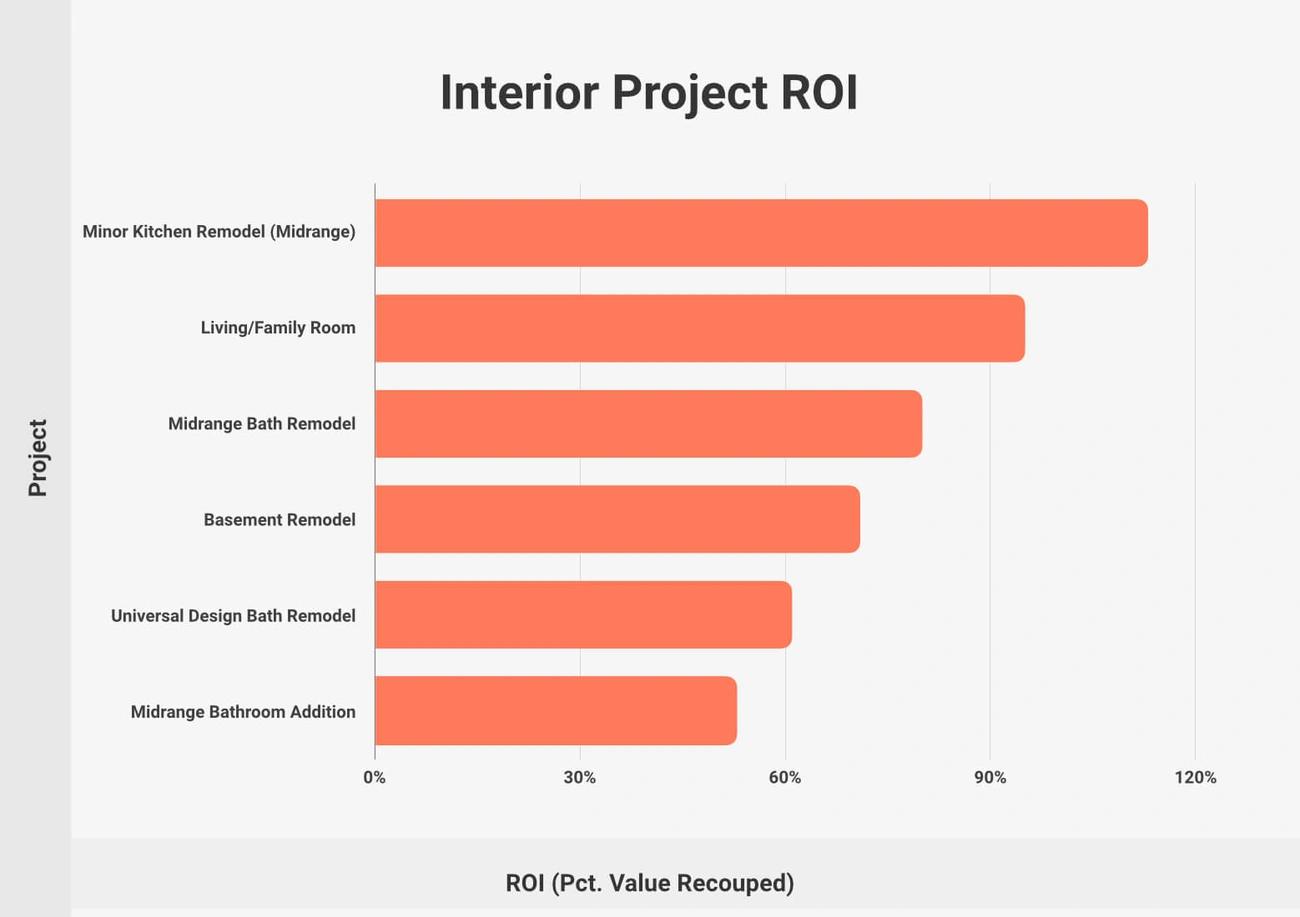 Minor kitchen and bathroom updates tend to deliver the highest return on investment before selling, while larger additions often recover less of their cost.
Image Source: RubyHome
Why Kitchen Upgrades Matter Most
Kitchen updates can improve resale value, but minor improvements usually outperform full luxury remodels. Buyers care most about a kitchen that feels clean, functional, and updated — not necessarily brand new.
Kitchens command attention during home tours in ways other rooms don't. Zillow's 2024 Consumer Housing Trends Report shows that 57% of buyers said having their preferred style of kitchen was very important to their home-buying decision. Real estate experts confirm this pattern. 80% of homebuyers placed the kitchen in their list of top three most important spaces.
The financial effect backs up this buyer interest. A minor kitchen remodel delivers an ROI of about 81% . Mid-range renovations return about 72% nationally, while major upscale kitchen remodels recoup around 54% of costs. Spending roughly $21,000 on minor updates returns about $17,000 at resale. That's perspective worth noting.
Regional variations matter a lot. Pacific area homeowners see returns as high as 93% on minor kitchen remodels. Those in North Dakota or Iowa can expect around 68% based on national averages. The kitchen functions as both an emotional and practical decision point for buyers who foresee themselves using the space daily.
Smart vs. Wasteful Kitchen Investments
The gap between smart and wasteful kitchen spending determines whether you profit or lose money at closing. Cabinet work shows one of the clearest examples. Replacing all cabinetry costs thousands and leaves your kitchen unusable for months. Painting or refacing existing cabinets delivers nearly the same visual effect for a fraction of the price. Cabinet refacing and repainting rank among the highest-return kitchen upgrades.
Countertop selections separate savvy investors from those who overspend. Quartz countertops appeal to modern buyers because the material resists stains better than marble and provides more design options than traditional granite. Homes with tile countertops sell for 0.9 percent less than similar properties due to grout maintenance concerns. Laminate countertops signal corner-cutting to potential buyers, with homes selling for 1.1 percent less than expected.
Energy-efficient appliances provide dual benefits. ENERGY STAR certified refrigerators cut power bills by up to 30%, and newer dishwashers use 40% less water. Buyers recognize these long-term savings during home evaluations. Matching your appliances (all black or all white) matters more than splurging on one high-end stainless steel piece that makes the kitchen look partially upgraded.
High-end or smart appliances present a timing problem. The technology you install becomes outdated within three to five years. Luxury tech kitchens only add value if you plan to sell soon. Expensive appliances cost more to maintain and repair, which deters buyers.
Affordable Kitchen Updates
Paint transforms kitchens without demolition. A fresh coat on cabinets costs around $40 per gallon for premium self-priming paint. The project takes a weekend after removing hardware and cleaning and sanding all surfaces. Wall paint in neutral shades brightens spaces and signals proper maintenance to buyers.
Hardware replacement ranks among the quickest kitchen fixes. Cabinet knobs, drawer pulls, and faucets in matte black, brushed brass, or nickel finishes modernize outdated kitchens during a single weekend. These pieces cost just a few dollars each. Chrome, nickel, and stainless steel remain timeless, though warm metallics provide fresh appeal.
Backsplash installations deliver outsized visual effect. Decorative tiles vary in style and price, but covering an entire backsplash including installation costs under $1,000. Subway tile remains both popular and affordable for homeowners tackling DIY projects . A new backsplash paired with upgraded countertops can make dated appliances appear more current.
Lighting upgrades change how spaces feel. Installing under-cabinet LED lighting improves functionality while adding warm ambiance without major construction work. Replacing old pendant lights or flush mounts with larger, more decorative fixtures creates focal points. Task lighting above sinks should serve both decorative and functional purposes.
Storage solutions matter to buyers. Pull-out storage kits and drawer organizers fit existing cabinets while maximizing usable space. Soft-close drawers and improved layouts enhance daily use and influence buyer perception strongly.
Common Kitchen Renovation Mistakes to Avoid
Budget mismanagement tops the list of kitchen renovation failures. Kitchen projects should never exceed 25% of your home's value because you may never recoup costs beyond that threshold. That caps kitchen spending at roughly $56,925 for a median home valued at $227,700. Costs spiral and reduce returns without careful budget management.
Overpersonalization limits your buyer pool. Bold color choices or quirky design features deter future buyers despite current trends. Homes with bright yellow kitchens command offers that are $2,125 less than expected. Oak cabinets, popular in the 1980s and 1990s, now cause homes to sell for 0.8 percent less than similar properties.
Material quality determines longevity. Skimping on materials leads to cabinets falling apart within a few years. Marble creates problems in kitchens because it chips, stains, and etches easily. Granite with heavy speckling or excessive veining makes spaces feel stuck in the early 2000s when high-contrast designs dominated.
DIY renovations hurt resale value when done wrong. Buyers never view kitchen remodels that aren't completed by experienced contractors favorably. Poor workmanship signals potential hidden problems.
Dated features kill deals. Black appliances are out in 2025, and white appliances give an outdated feel unless the entire kitchen follows an all-white esthetic]. Fluorescent light fixtures, orange laminate countertops, or avocado green linoleum indicate a kitchen stuck in the 1970s. Removing kitchen walls for open concepts without thinking over lost cabinet storage space drives away buyers who cook regularly.
Bathroom Remodels That Actually Pay Off
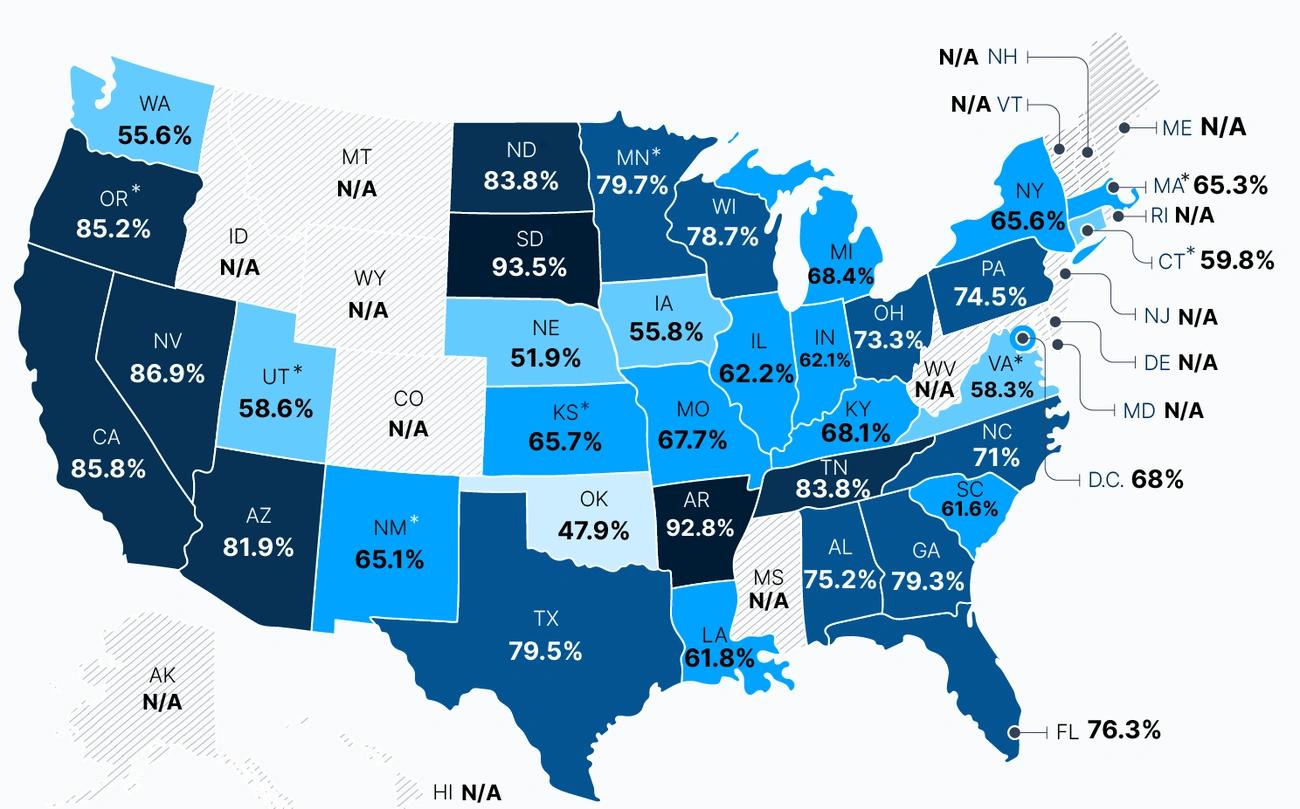 Home improvement ROI varies significantly by location, which means the same renovation can deliver very different returns depending on your market.
Image Source: Fixr
The Real ROI of Bathroom Upgrades
Bathroom remodels rank among the highest-return projects you can undertake before selling. The average national ROI on a bathroom remodel sits at about 72.7%, meaning every dollar spent translates to a $1.72 increase in home value. Minor cosmetic updates deliver even stronger returns and recoup 70% to 80% of costs at resale. Even small strategic changes can add $1.71 in home value for every $1.00 spent when homeowners target quick wins.
Your remodel's scope affects returns. A midrange bathroom renovation averaging around $26,000 nationally returns about $21,000 at resale, representing a 60% to 70% ROI. Upscale bathroom remodels run higher at roughly $82,000 but return only about $34,000, yielding a 50% to 60% ROI. Midrange renovations outperform high-end overhauls in most markets because of this diminishing return on luxury upgrades.
Location influences your returns by a lot. Homes in high-demand markets like California or New York yield higher bathroom renovation returns than properties in lower-demand regions. Up to 29% of sellers invest in bathroom improvements before listing. Updated bathrooms help homes sell faster with fewer concessions in competitive markets. The key lies in matching your investment to local buyer expectations rather than pursuing universal luxury.
Best Home Improvements for Bathrooms
Walk-in showers dominate buyer wish lists. Replacing an old tub or outdated shower with a walk-in shower raises bathroom appeal. Frameless glass shower enclosures offer greater value than framed alternatives. Tempered glass panels secured with clips and hinges create a contemporary look while eliminating metal framing that collects dirt. Quality waterproofing products during shower installation prove critical, as buyers pay a premium for bathrooms with professional installation rather than cheap patchwork.
Double vanities transform functionality. Upgrading to double sinks appeals to buyers, and you don't need a large bathroom to accommodate two small sinks since one waterline can split to serve both fixtures. A new vanity with storage, soft-close drawers and quartz or granite countertops looks sharp while providing practical benefits. Custom cabinetry adds substantial value because off-the-shelf options never achieve the perfect fit or functionality.
Flooring upgrades deliver lasting effect. Updated floors using tile or luxury vinyl tile add appeal to buyers. Large-format tiles create fewer grout lines and make cleaning easier while presenting a modern esthetic. Heated bathroom floors represent a low-key system to install during remodels. They add comfort you experience daily, especially in colder months. Porcelain or ceramic tiles provide durability and visual appeal, with heated flooring systems offering moderate to high ROI.
Lighting transformations matter more than most sellers realize. Updated light fixtures and plumbing fixtures modernize old bathrooms. Layered lighting, including task lighting for vanities and ambient lighting, will give the space a functional and inviting feel. Quality exhaust fans remove excess moisture and odors while preventing mold formation.
Low-Cost, High-Impact Bathroom Changes
Fixture replacements rank among the easiest value additions. Swapping old fixtures for modern faucets ($50 to $200), showerheads ($30 to $150) and bathroom fans ($100 to $300) delivers affordable upgrades. Updating hardware like light fixtures, towel bars, cabinet pulls and sink fixtures makes an effect when all pieces complement one another in matching metal. Brushed brass, matte black or mixed metal hardware adds warmth and personality where builder chrome once dominated.
Paint provides transformative power without demolition. A fresh coat on cabinets using high-quality paint with satin finish costs around $40 per gallon. It stands up well to moisture while resisting mildew growth. Painting vanity cabinets in high-gloss white or pale gray offers a budget-conscious alternative to complete vanity replacement.
Bathtub restoration saves thousands compared to replacement. Reglazing costs $300 to $600 and restores shine without removing the existing tub. Specialized paint kits refresh bathtubs for as little as $100. Refinishing addresses cosmetic issues like yellowed surfaces, cracks and nicks while delivering dramatic results that last several years.
Mirror upgrades raise design. Replacing builder-grade mirrors glued to walls with framed options makes spaces feel intentional. Mirrored medicine cabinets from quality manufacturers provide functional, beautiful storage at eye level while keeping countertops clear. Framing existing mirrors adds value without costing substantial money.
Grout and caulk refreshing brings sparkle back. Cleaning grout and adding straight, clean lines of caulk around tubs and sinks costs just a few dollars but makes a noticeable difference. Grout colorant changes grout color and seals it in one step as an alternative to complete tile replacement when you have outdated tile.
Bathroom Mistakes That Hurt Resale Value
Over-luxurious designs backfire in lower-priced homes. Making bathrooms too luxurious reduces value, especially when the property sits in a lower price range and the renovated bathroom doesn't match the overall home style. Luxury bathrooms with expensive tiles, dark colors and freestanding baths belong to spacious, traditional properties. Redesigning the bathroom of a small, modern, affordable home constitutes a huge mistake.
Removing bathtubs limits buyer appeal. Shower-only bathrooms cannot be classified as full bathrooms on real estate listings. Most buyers require at least one bathtub, preferably on the main floor, especially those with young children or dogs. Converting tub-shower combinations to standalone showers may meet current needs but reduces future marketability.
Bold design choices narrow your market. Painting bathrooms funky colors makes homes much harder to sell because people dislike how it makes them feel during tours. Eccentric or creative tiling requires effort and money to replace, which reduces home value when buyers see installations they'd need to change. Bold wallpaper proves problematic because wallpaper removal deters buyers.
Pedestal sinks sacrifice functionality. Replacing bathroom vanities with pedestal sinks eliminates storage space that future buyers want . Most buyers prefer the storage space vanities offer and feel deterred by pedestal sinks' lack of functionality.
Carpet and poor flooring destroy value. Bathroom carpet ranks among the worst remodeling mistakes and appears downright ugly while creating sanitary issues. Both carpet and cheap laminate flooring choices scream affordability problems to homebuyers. Gold bath and sink faucets don't appeal to most buyers and cause deductions of a few thousand dollars from offers.
Curb Appeal and Exterior Home Improvement Projects
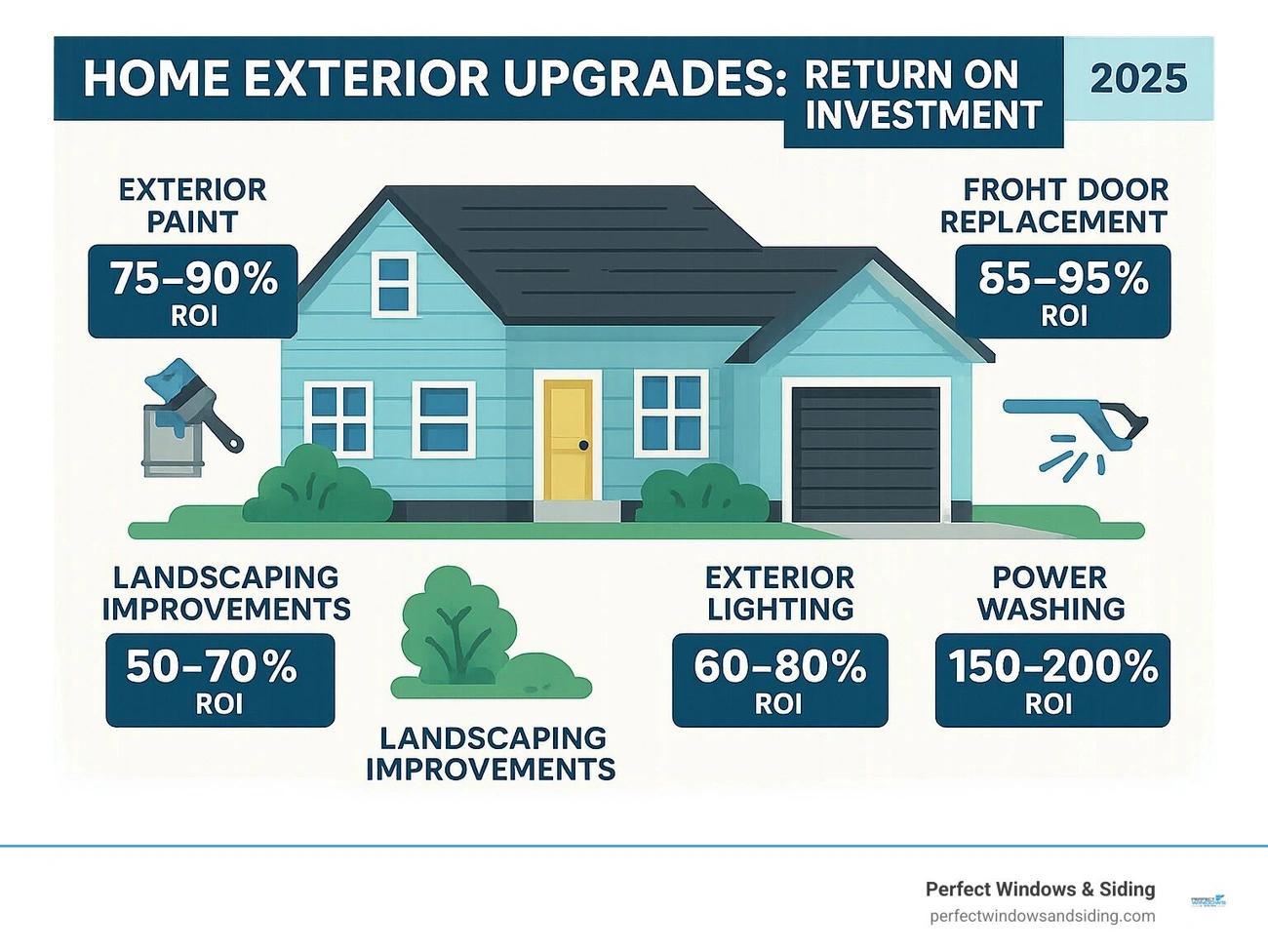 Exterior upgrades often deliver some of the fastest returns before selling, especially when they improve first impressions and overall curb appeal.
Image Source: Perfect Windows & Siding
First Impressions That Increase Home Value
Your home's exterior creates lasting opinions within the first seven seconds of arrival . Statistics from The Journal of Real Estate Finance and Economics show good curb appeal can raise a property's value up to seven percent. Experts suggest doubling that figure during slower seller's markets. Potential buyers form judgments before stepping through the front door, and 46.2% of respondents in a RE/MAX poll reported that neglected exteriors discourage them from looking at houses.
The exterior signals maintenance quality for the entire property. A well-kept facade creates positive first impressions and improves the property's homey feel. Conversely, getting buyers to come inside becomes difficult if your exterior appears unattractive. Real estate professionals confirm that 97% of NAR members believe curb appeal is important to attract buyers for residential properties.
Garage Door and Entry Replacements
Replacing your garage door provides an average 268% return on investment, meaning it more than pays for itself. This project has consistently ranked among the top five ROI projects and held the number one spot six out of the last seven years since first being included in 2010. Garage door replacement costs range from $750 to $5,500, depending on material, size, and features. The garage door can take up nearly one-third of your home's façade and makes it one of the most noticeable features.
Steel front door replacement delivers 100% cost recovery, the highest of any project surveyed in 2025 according to the National Association of Realtors' Remodeling Impact Report. Fiberglass front doors offer around 80% ROI. Most garage door replacements complete in a single day, whereas front door installation finishes as a one-day project with minimal disruption.
Landscaping: What Works and What Doesn't
Professional landscaping increases curb appeal and adds 5% to 15% to your home's value. The 2023 Remodeling Impact Report from NAR found that standard lawn care service (six seasonal applications on 5,000 square feet) costs around $415 with an ROI estimate of $900 and delivers a 217% return. Landscape maintenance including annual mulch, mowing, pruning, and planting perennials costs about $4,800 with an ROI estimate of $5,000, representing a 104% return.
An overall landscape upgrade including flagstone walkway, stone planters, flowering shrubs, a deciduous tree, and mulch costs about $9,000 with a matching ROI estimate of $9,000 and achieves 100% cost recovery. Real estate professionals estimated this yard upgrade was expected to recover 100% of the cost for sellers.
So overgrown landscaping sends messages of poor maintenance. Bushes and trees should be trimmed, and flower beds cared for and free of weeds. Bare yards with minimal greenery make properties feel stark and uninviting, especially for high-value homes where landscaping extends the home's design.
Siding and Exterior Paint Updates
Replacing siding with fiber-cement returns about 114% of its cost at resale, meaning more than full cost recouped. Vinyl siding replacement has a national cost-recoup rate of up to 97%. Siding covers the largest visual surface of the home and sets the tone for first impressions.
Exterior painting adds 2% to 5% to your home's value while offering a solid 51% to 55% return on investment. Some studies cite ROI of over 150% for exterior painting. The average cost of exterior painting is $3,178. Fresh exterior paint improves curb appeal, and buyers make judgments about your home within seconds of seeing it from the street. Black front doors have been associated with roughly $6,400 higher offers in recent studies.
Solar Panels: Worth the Investment?
Homes with solar panels sold for about 6.9% more on average than homes without solar in a 2025 SolarReviews study. This represents an increase from the 4.1% figure found by Zillow in a 2019 study. Solar panels could add nearly $29,000 in value with the median value of a home in 2025 at around $416,900. A recent study found that solar panels are viewed as upgrades, and home buyers have been willing to pay a premium of about $15,000 for a home with an average-sized solar array.
Ownership makes a big difference. Homes with third-party-owned solar (leased or PPA systems) showed no value increase compared to homes without solar. You may see the same property value increases as systems purchased from day one if you buy out or complete payments on your agreement and own the system outright by the time you list your property.
Costly Curb Appeal Mistakes to Avoid
Cracked and stained driveways create immediate impressions of poor maintenance. Power washing removes most stains, while crack filler and driveway sealer can restore surfaces for under $200. Peeling paint or faded exteriors diminish the home's esthetic and make it appear neglected. Outdated address numbers or rusted mailboxes should be replaced to match your home's architectural style. Poor or broken outdoor lighting makes entryways feel unwelcoming and unsafe. Overgrown shrubbery can block windows and walkways while concealing attractive architectural features and decreasing curb appeal.
Interior Updates: Flooring, Paint, and Smart Features
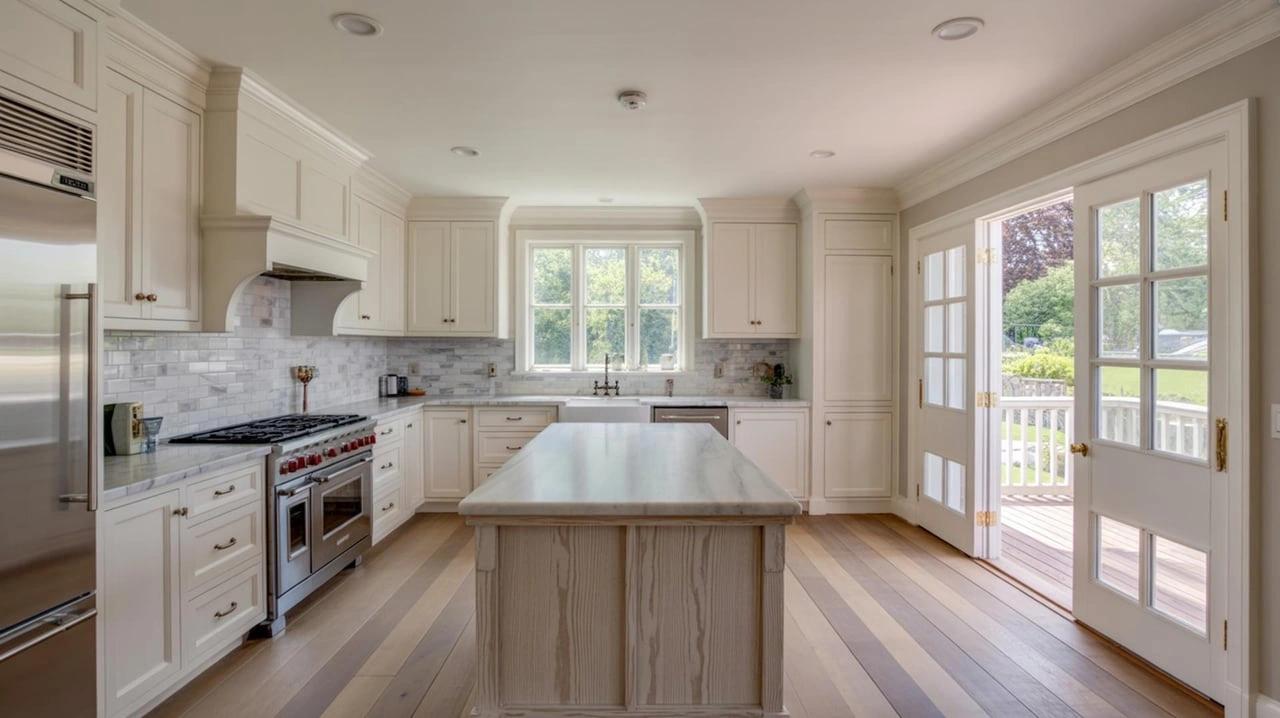 Interior updates like fresh paint, flooring, and modern finishes can significantly improve how buyers perceive your home.
Image Source: Winchester Real Estate
Hardwood Floors vs. Other Flooring Options
Hardwood flooring delivers the strongest returns among all flooring options, with an ROI of 106% according to the National Association of REALTORS® 2022 Remodeling Impact Report. A 200-square-foot room costs around $5,000 to install, though refurbished hardwood flooring offers even higher returns at thousands of dollars lower. Buyers in every region prefer hardwood floors, and homebuyers report this feature improves happiness.
Engineered hardwood costs half as much as standard hardwood to install while offering profit margins like those of solid wood. This option resists moisture better than solid wood, which makes it suitable for basements and kitchens where traditional hardwood fails. Engineered flooring returns 70% to 80% of your investment at resale.
Luxury vinyl planks cost around $800 for 200 square feet and make them the most affordable flooring upgrade. Returns on vinyl flooring investment range from 10% to 50% . The percentage isn't as high as hardwood, but vinyl boosts livability, especially if current floors are worn from use. Tile flooring costs approximately $3,000 to install in a 200-square-foot space. Porcelain tile and luxury vinyl offer 20 to 50 year lifespans with minimal upkeep.
Carpet remains the least desired flooring material in homes except bedrooms. New carpet costs around $1,200 per 200 square feet. Homes with hardwood floors throughout often appraise higher than homes with equal parts hardwood and carpeted flooring.
Fresh Paint Delivers Strong Returns
Repainting the interior provides an average ROI of 107% and adds anywhere from $2,140 to $16,050 in resale value. Three out of four real estate agents say repainting the interior adds the most value before a sale and sometimes boosts the listing's value by as much as 10%, or up to $20,000.
Painting costs an average of $2 to $6 per square foot. A whole house runs between $2,000 and $15,000, depending on size. Spending $8,000 for fresh paint can add around $16,500 to your home's resale value.
Neutral paint colors create the strongest buyer appeal. Whites, grays, and beiges remain top choices among 84% of agents. Red ranks as the number-one dealbreaker for buyers, with more than half of respondents avoiding homes painted this color. Bold hues like orange, neon colors, and purples turn buyers off.
Smart Home Technology Adds Value
Smart homes command higher prices. The average smart home costs more than $1.20 million in 2025, while non-smart homes average just north of $660,000. Philadelphia shows the largest price gap, with smart homes costing around $1.56 million compared to just $365,000 for non-smart homes.
Buyer willingness to pay premiums has surged. Twenty-eight percent of Americans said they would spend more money for a smart home and average more than $18,000 extra. Research shows 62% of those surveyed said smart features increase a home's resale value. Smart thermostats and security systems represent the most valuable upgrades, along with whole home automation.
Removing Popcorn Ceilings
Popcorn ceiling removal delivers an ROI above 80%, with most homeowners spending $1,000 to $3,100. Removing popcorn ceilings can add about $2,500 to the average home cost. Larger, higher-priced homes in the $700,000 range could see removal add $25,000 to $35,000 in value.
Upgrades That Don't Boost Value
New carpeting throughout the home wastes money since buyers prefer hardwood. Investing in real hardwood when moving doesn't make sense due to cost, despite its appeal, as you won't see more than 70% to 80% ROI.
Adding Square Footage: Basements, Attics, and Outdoor Spaces
Finished Basements and Attic Conversions
Unused spaces can become livable areas and offer substantial returns without the complexity of full additions. A finished basement delivers an ROI between 70% and 86%, and homeowners spend an average of $32,000. The 2022 Remodeling Impact Report found basement conversions ranked in the top four interior remodels for ROI. Appraisers value finished basements at 50% to 70% of above-grade space per square foot. Below-grade square footage never matches main-floor value but still contributes in a meaningful way.
Attic conversions cost $30 to $60 per square foot for simple finishing, or up to $200 per square foot when you transform unfinished space into livable areas. The National Association of Realtors reports an average 56% ROI for attic conversions. An attic bedroom can boost property value by nearly 24%, which equals roughly $65,700 on a typical three-bedroom house. Proper egress windows, heating, and code-compliant stairs are essential for both projects to count square footage in an official capacity.
Deck and Patio Additions
Decks provide a 44% ROI across the nation, with wood decks reaching 50.2% and composite achieving 39.8%. Wood decks add an average of $8,559 in value, while composite adds $9,325. A new deck costs around $8,250 to build and returns approximately $6,850 at resale.
Patios deliver 30% to 60% ROI for new installations and climb to 73% to 80% when you refurbish existing spaces. Data from the National Association of REALTORS shows patios can recover up to 95% of costs. Outdoor kitchens offer exceptional returns between 100% and 200% ROI. Material selection affects longevity in a substantial way. Pavers last up to 100 years because you can replace individual pieces.
When Adding Space Doesn't Pay Off
Square footage alone doesn't guarantee proportional value increases. Enclosed porches rarely justify costs because the space doesn't compare well to proper rooms. Homes that already have four or five bedrooms see minimal difference when you add more. Garage conversions into living spaces may reduce appeal to buyers who value parking over additional rooms.
Best ROI Home Improvements for Extra Living Areas
Basement conversions outperform above-ground additions, which cost $450 to $500 per square foot with only 34% to 35% ROI. Outdoor living spaces in warm climates can deliver up to 200% ROI and rank among the highest-return home improvement projects available.
Conclusion
Not every home improvement project deserves your money before selling. In fact, the data shows clear winners: kitchen and bathroom updates plus garage door replacements deliver the strongest returns. Luxury upgrades and overpersonalized choices often waste thousands without moving the sale price needle.
The secret is matching your investment to buyer expectations rather than your personal taste. Focus on neutral, functional improvements that recover 70% or more of costs. Start with small, high-impact changes like fresh paint and updated fixtures. Move to larger projects only if they match your home's value range and what the local market just needs.
FAQs
Q1. What home improvements give you the best return on investment when selling? Kitchen and bathroom renovations typically offer the highest returns, with minor kitchen remodels delivering around 81% ROI and bathroom upgrades averaging 72.7% ROI. Garage door replacements provide exceptional value at 268% ROI, while exterior improvements like fresh paint and new siding also perform well. Focus on neutral, functional updates rather than luxury features to maximize your return.
Q2. How much value does a finished basement add to a home? A finished basement typically delivers an ROI between 70% and 86%, with homeowners spending an average of $32,000 on the project. Appraisers generally value finished basements at 50% to 70% of above-grade space per square foot, meaning the below-grade square footage contributes meaningfully to your home's value even though it doesn't match main-floor pricing.
Q3. Should I replace my kitchen cabinets or just refinish them before selling? Refinishing or refacing existing cabinets is far more cost-effective than complete replacement. Cabinet refacing and repainting rank among the highest-return kitchen upgrades, delivering nearly identical visual impact for a fraction of the cost. Complete cabinet replacement costs thousands and leaves your kitchen unusable for months without proportionally increasing your return.
Q4. Do hardwood floors really increase home value more than other flooring options? Yes, hardwood flooring delivers the strongest returns among all flooring options with an ROI of 106%. Buyers in every region prefer hardwood floors, and homes with hardwood throughout often appraise higher than comparable homes with mixed flooring. Engineered hardwood offers a more affordable alternative with 70-80% ROI while providing similar buyer appeal.
Q5. What are the biggest mistakes homeowners make when renovating before selling? The most costly mistakes include over-improving beyond your home's value (kitchen projects should never exceed 25% of home value), choosing bold or personalized colors and designs, removing bathtubs entirely, and investing in luxury upgrades that don't match the neighborhood. Additionally, skimping on material quality or attempting complex DIY renovations can hurt resale value rather than help it.
References
References
Data & Market Reports
- National Association of Realtors (NAR). Remodeling Impact Report.
- Zillow. Consumer Housing Trends Report.
- U.S. Department of Energy. Solar Energy and Home Value Insights.
Cost & ROI Benchmarks
- Angi. Home Improvement Cost vs. Value Data.
- HomeLight. Home Renovation and Seller Insights.
- Rocket Mortgage. Best ROI Home Improvements.
Market Trends & Buyer Behavior
- Opendoor. Home Selling and Improvement Insights.
- Realtor.com. Buyer Trends and Home Value Data.
Supporting Sources
- HGTV. Remodeling and Home Upgrade Trends.
- CEPro. Smart Home Value Research.
- TimberTech. Outdoor Living ROI Data.
Sources include data from the National Association of Realtors (NAR), Zillow, Angi, Energy.gov, and other industry reports. ROI estimates and value impact may vary depending on market conditions, property type, and location.